Showing posts with label Manassas. Show all posts

Wednesday, July 6, 2016

Getting Out and About With the 4x5 Speed Graphic

I have a beautiful early Graflex Speed Graphic 4x5 camera. Because it's not so convenient to use, I haven't spent much time with it. I decided to change that over the three day 4th of July weekend. I made a total of ten exposures (on Arista EDU film), and found that five of them are worth sharing. That's a pretty good hit rate compared to smaller formats, where I shoot a lot more images per scene.
 
Here are my five favorites from the weekend:
 
 
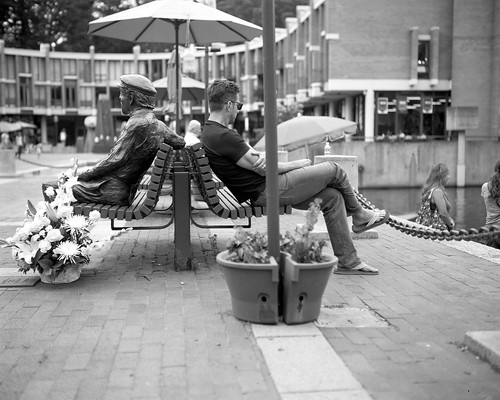
I usually set the camera on a tripod, using the ground glass back to frame and focus. I did that for the last three images above. For the first two, I used the rangefinder and shot handheld. Getting the focus right is a challenge, and I missed on some other shots. But, when you get it right, it's pretty nice.
 
In the picture of the house (Thornton House at Manassas National Battlefield), I used the front rise movement of the camera to allow me to keep the camera level to avoid distortion, yet still capture the roof and chimney. Pretty cool.
 
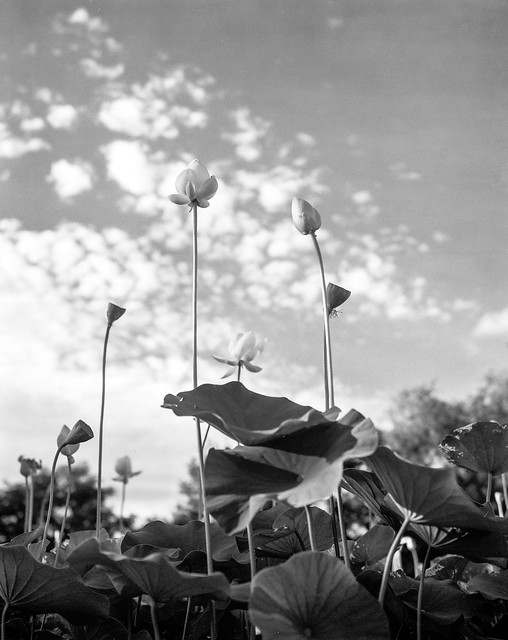
In the shot of the lotus flowers, I threw all concern for distortion to the wind, shooting with the camera nearly on the ground, pointing up at a steep angle.
 
I'm very happy that the Speed Graphic is not my only camera, or even my main one. But, it's instructive and fun to use.
 
DMC-365.blogspot.com
Tuesday, July 5, 2016

A Hike on the Unfinished Railroad

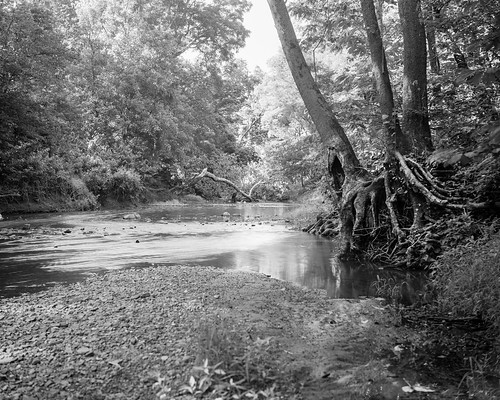
A few weeks back, I took a hike at the Manassas National Battlefied, site of two ferocious battles in the US Civil War. The Unfinished Railroad is a trench dug for rails, but never finished. It was a center of the second battle of Manassas.
 
I shot these images with my Rolleiflex SL2000F. Man, I love this weird old camera.
 
You could smell the summer honeysuckle all along the trail.
 
 
This monument is at the end of the trail. It reads: "In Memory of the Patriots Who Fell at Groveton, August 28th, 29th, & 30th, 1862.
 
 
DMC-365.blogspot.com
Saturday, September 5, 2015

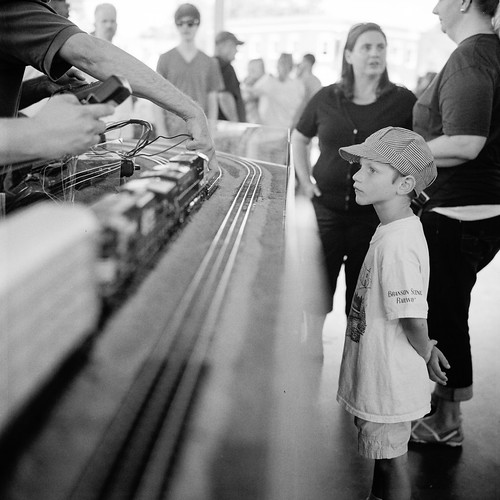
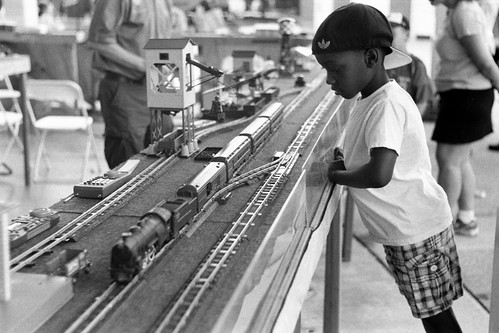
Rolleiflex 2.8F Planar - Kid at Train Festival

Intense Focus, by Reed A. George
Rolleiflex 2.8F Planar, Kodak TMax 400 Film
 
A while back, I posted a series of images from a local train festival, mostly of kids enjoying the displays. (Click Here) to see those pictures, taken with my Leica IIIG.
 
Well, I just developed the roll of film that was in my Rolleiflex that day, and found this image. I really like how the boy's face contrasts well with the dark shirt of the lady behind him. I also seem to have gotten the focus just about right.
 
Every time I use the Rolleiflex, I get something that I enjoy out of it.
 
DMC-365.blogspot.com
 

Friday, September 4, 2015

Annoying Some Kids With My Rolleiflex

Get it Over With, Mister. By Reed A. George
Rolleiflex 2.8F Planar, Kodak TMax 400 Film
 
Every single time I use it, I am reminded why the Rolleiflex is such an important piece of photographic history, and my photographic present. I just love the expression on this little girl's face, as well as her posture. I also like that her shirt says "SMILE" on it...
 
DMC-365.blogspot.com
Monday, August 3, 2015

More Parkour - Fisheye Shots

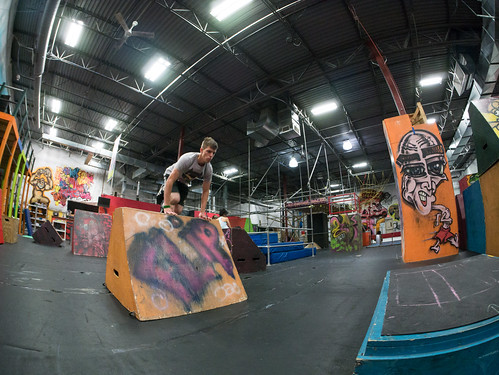
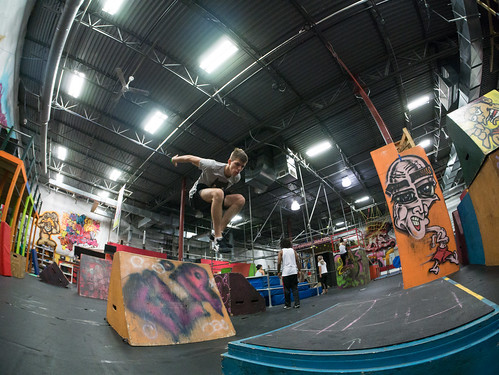
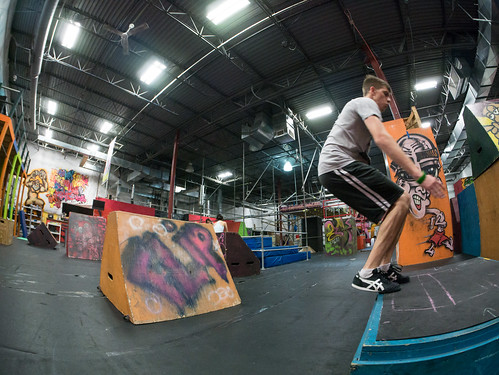
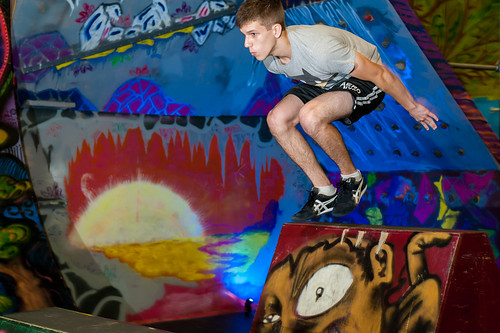
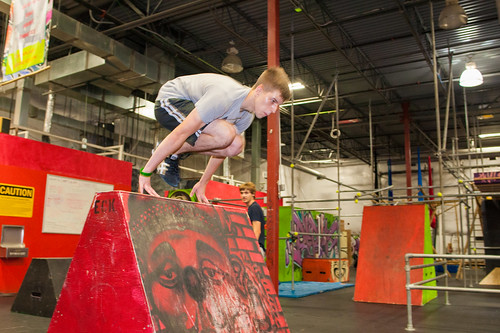
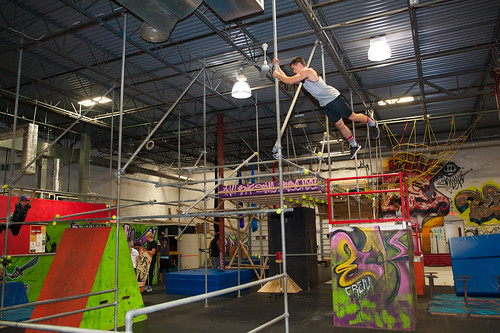
Here are some fisheye images I made with the Panasonic Lumix DMC-GX7 and Bower fisheye lens. These were taken at the same parkour workout that I wrote about yesterday.
 
 
I shot these at the end of the workout, choosing to use high iso and no flash. I really need to try some fisheye images with rear curtain, slow shutter flash. That will be cool.
 
DMC-365.blogspot.com
 

Sunday, August 2, 2015

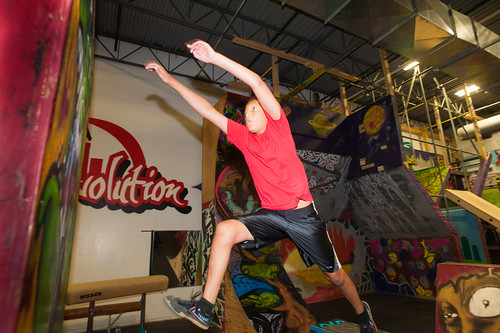
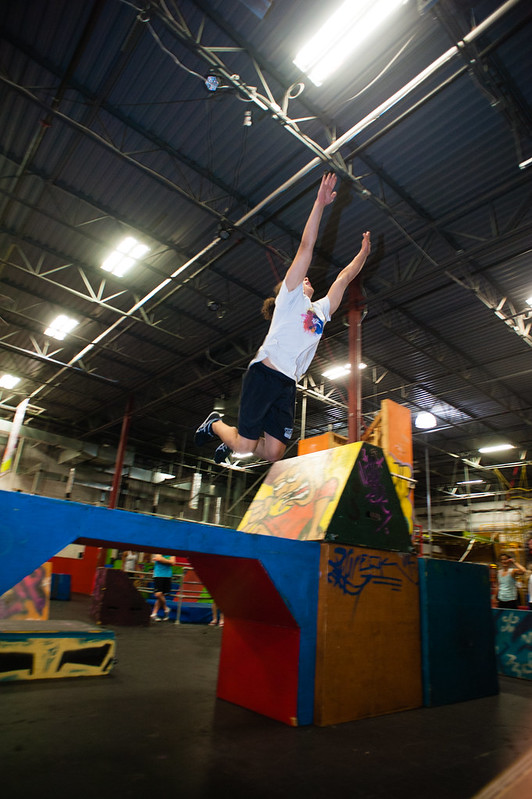
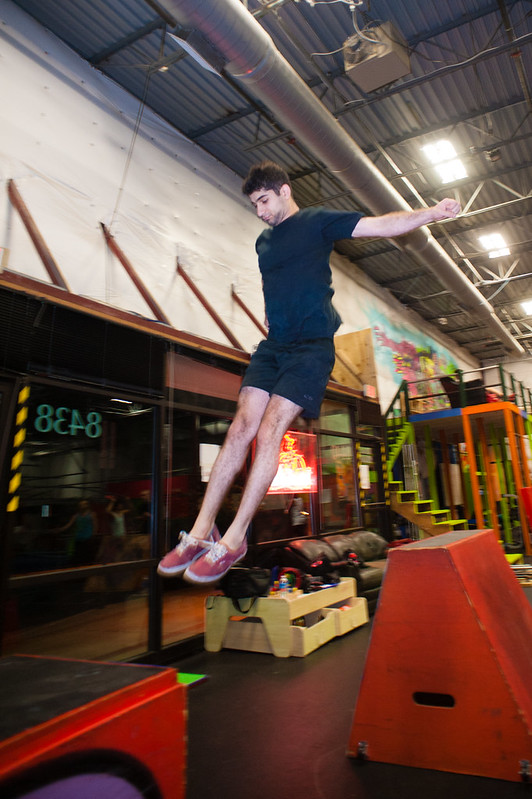
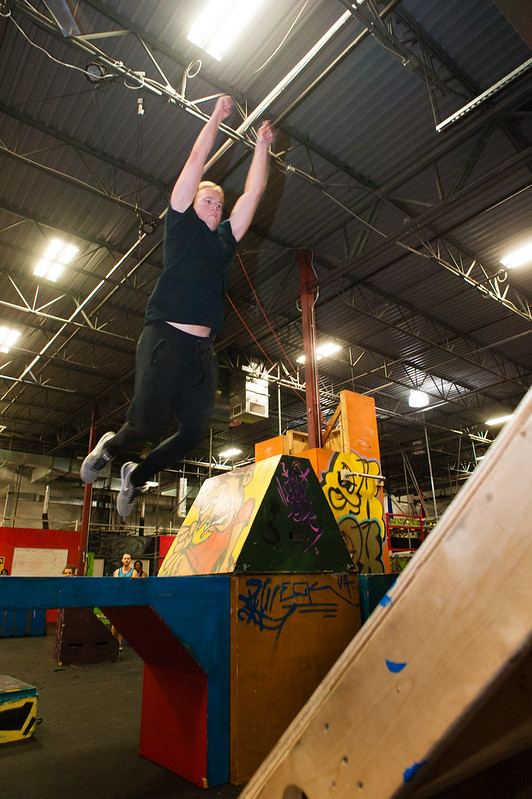
Parkour Photography - Indoors

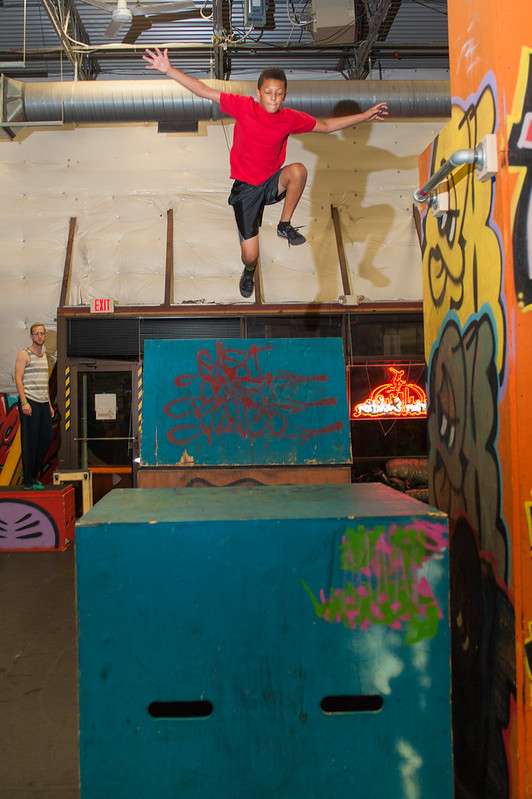
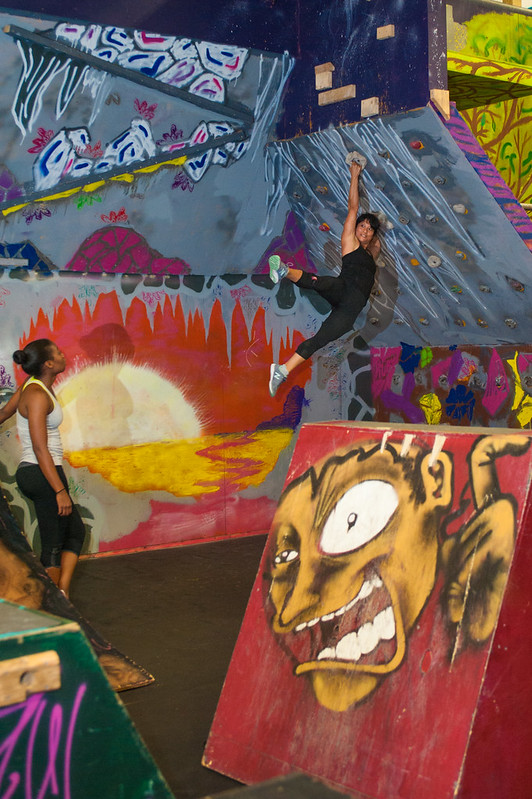
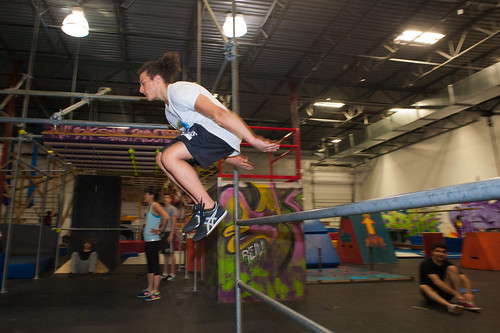
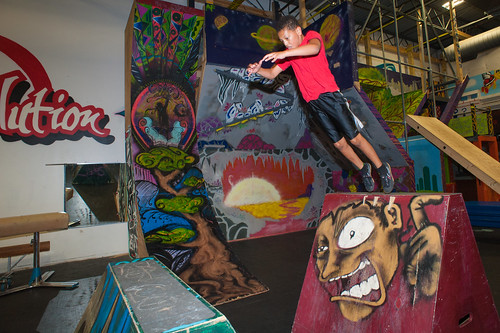
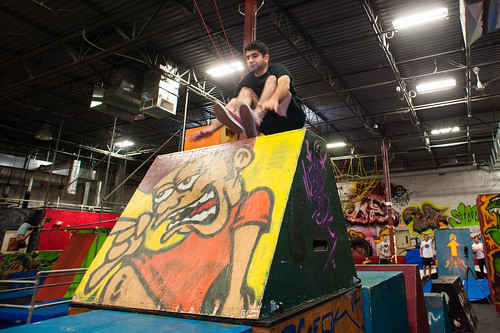
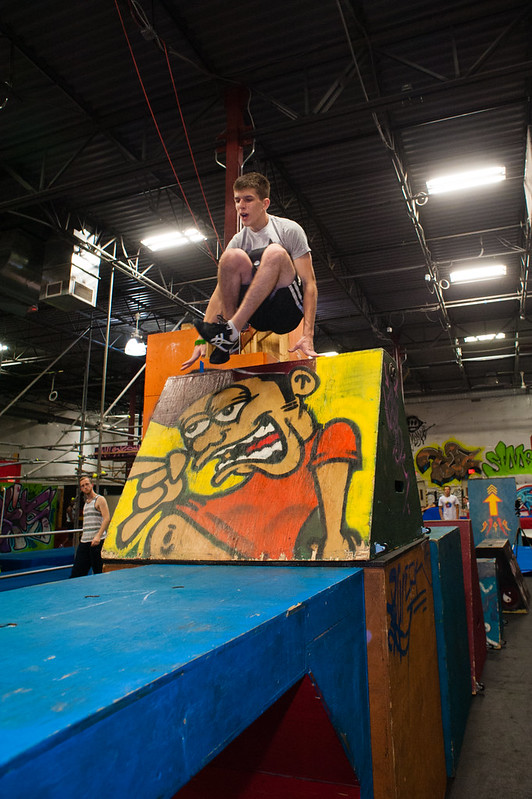
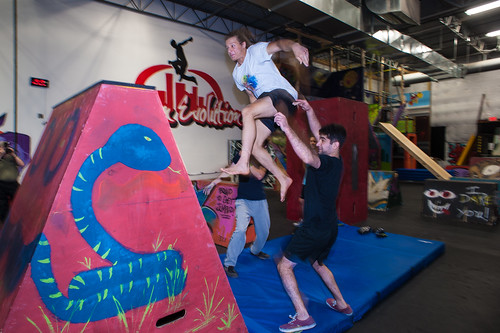
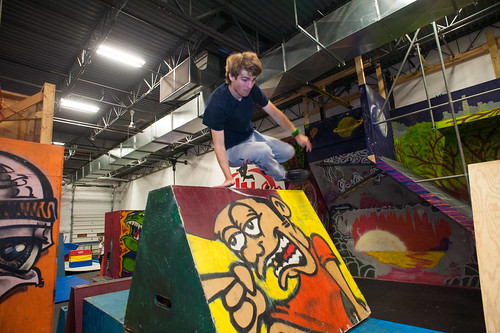
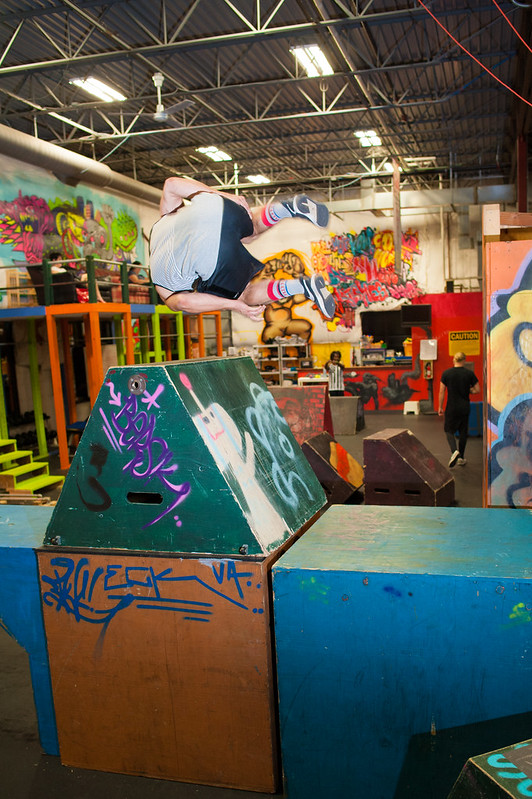
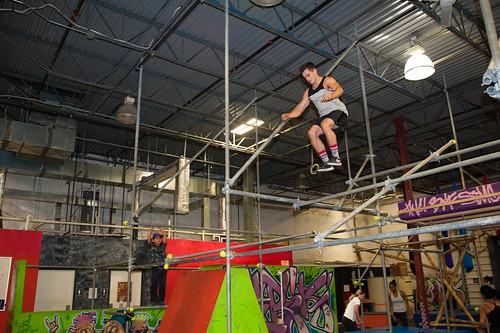
Last Friday night, I got invited to Urban Evolution in Manassas, Virginia, to photograph an indoor parkour workout. (Click Here) to see what Urban Evolution is all about.
 
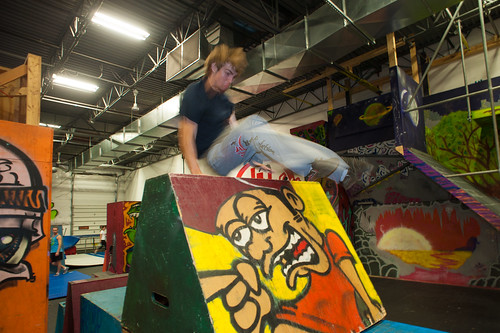
Here is a shot where I got the chance to set up multiple wireless flashes. I didn't get it just right, as you can see the backdrop flash at the bottom of the image, but otherwise this one worked well:
 
I shot the entire evening with my Nikon D700, with the exception of a few fisheye shots I made with a Lumix DMC-GX7.
 
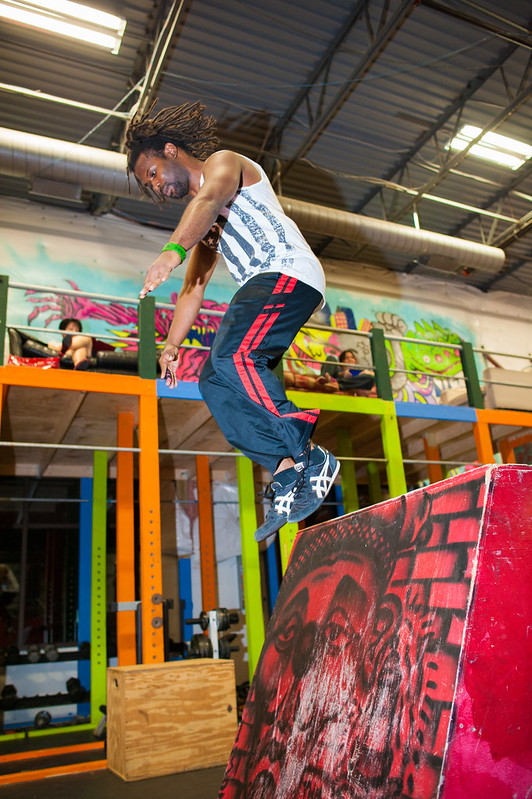
The workout was not particularly organized, so after making the shot above, I had to just move around amongst the raconteurs and do my best. Most of these were made with a single flash (SB-800) mounted on the camera hotshoe.
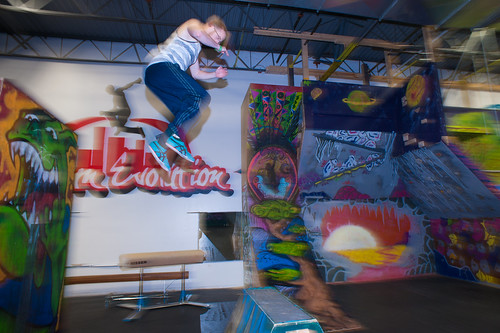
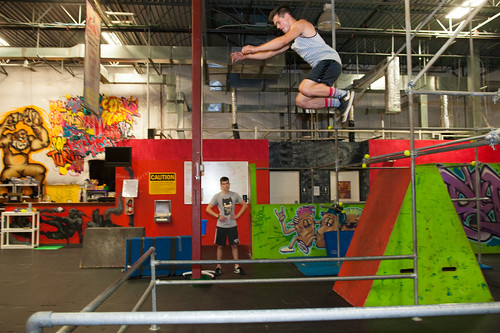
This final shot was made with rear curtain shutter, at 1/15 second exposure. I like the combination of motion blur and sharp image captured when the flash fired.
 
I am encouraged by the first shot, which shows that I can light a scene well with planning. I will try to work with this group again in a more organized fashion, where I work with them to set up a few scenes and light them very carefully.
 
I also figured out that shooting up close with wide angle lenses works very well in this situation. Here I used my Nikkor 28mm f1.8 AF-S and my 20mm f2.8 AF-D lenses quite a lot.
 
I learn something every time I get out to photograph.
 
DMC-365.blogspot.com
 

Wednesday, June 17, 2015

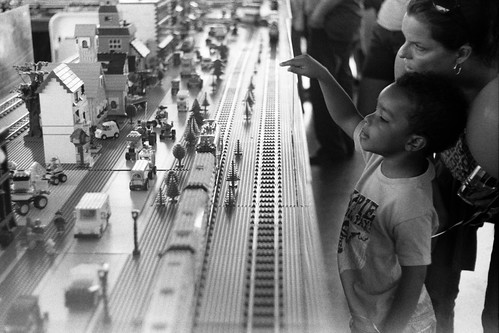
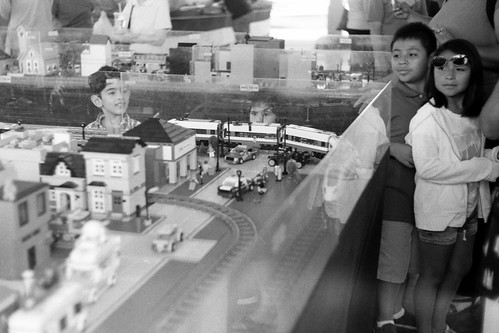
Kids at the Manassas Train Festival - Leica IIIG, Summitar 5cm f2 Uncoated Lens

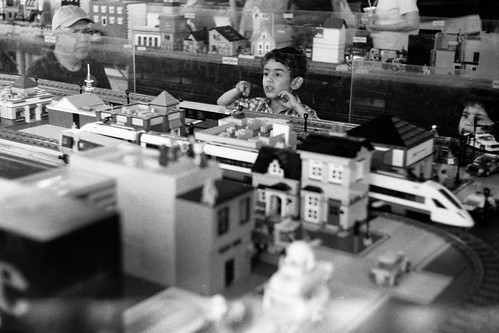
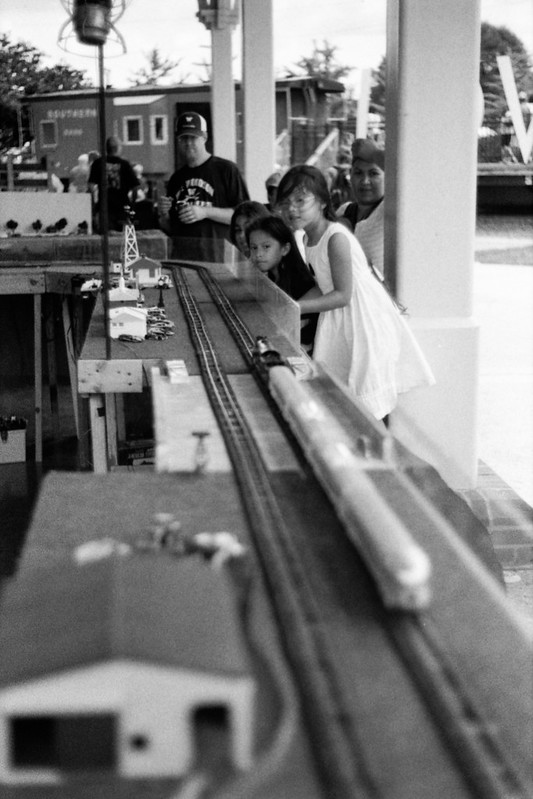
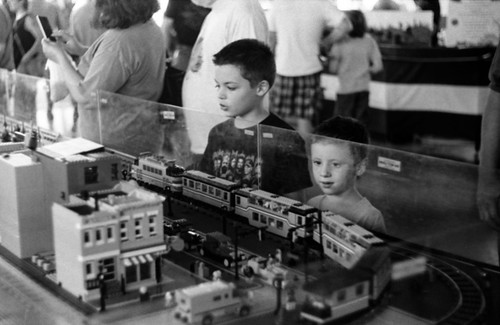
Last weekend, some friends and I attended a train event in Old Town Manassas, Virginia. I focused on photographing kids at the miniature train displays with my Leica IIIG and wartime Summitar 5cm f2 collapsible lens. All of these were shot on Agfa APX400 film, exposed at iso 200 level.
 
 
It's great to see these modern kids so deeply interested in trains and mechanical things.
 
Speaking of mechanical things, shooting with the IIIG was a pleasant challenge. Focusing quickly is not the forte' of Barnack cameras, especially in shade, but I did pretty well overall. My Agfa APX400 did pretty well here, as well, if a bit on the low contrast side. All in all, a very enjoyable photographic experience.
 
DMC-365.blogspot.com
Saturday, February 22, 2014

Surviving Buildings at Manassas National Battlefield - A Mini-Project in Micro 4/3

It's mid-winter doldrums here in Northern Virginia, and I decided not to give in to the bad weather today.
 
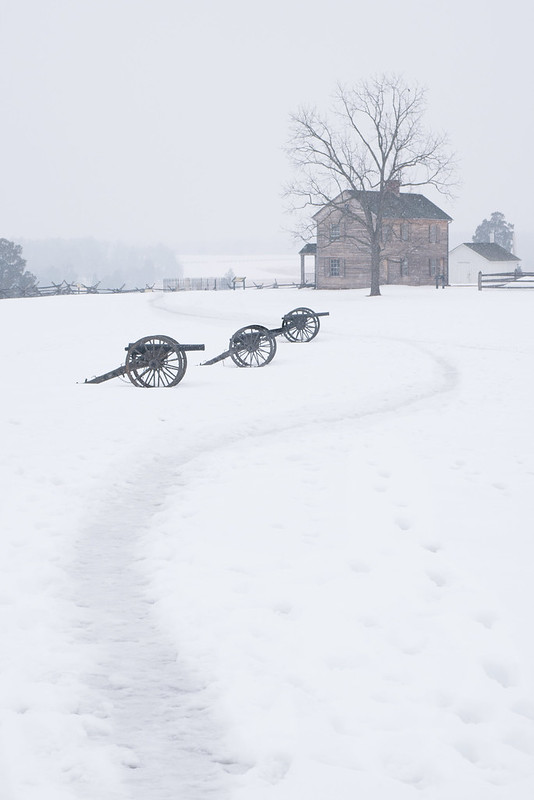
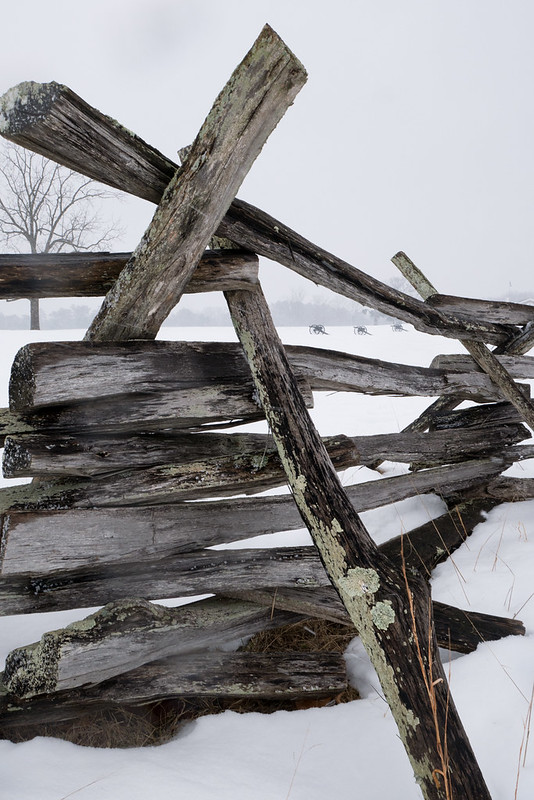
The heavy snow has passed, but flurries continued today, adding a nice light coat to the base laid down over the past few days. So, I set out to photograph the few remaining buildings that I thought were survivors from Civil War times at nearby Manassas National Battlefield. I had five buildings on my list.
 
It turns out that only three of the five are original buildings. However, the other two retain some interest, so I'll share them as well.
 
Let's start with Henry House. By the way, the picture I took of the Henry House on the 150th anniversary of the First Battle of Manassas won Second Place in a Civil War Trust / History Channel / Google competition, in the division dedicated to celebrating the 150th anniversary of battles in 1861. The image was displayed on the civilwar.org webpage of winning images, and was published in the journal "Hallowed Ground," and featured in the trust's 2012 calendar.
 
Henry House, by Reed A. George
Panasonic Lumix DMC-G1, 3 Shot HDR
 
The rest of the images in this post were shot today in the snow with my DMC-GX7 and the new Lumix Series II 14-42mm f3.5-5.6 zoom lens.


Henry House, by Reed A. George
 
 
The Henry House figured prominently in the First Battle of Manassas (or "First Bull Run"). Poor old Mrs. Henry was too sick to leave her home when the battle moved from Mathews Hill to Henry Hill, where she lived. She was killed by stray fire from the battle, becoming the first civilian to die in the Civil War. She's buried in the front yard of Henry House.
 
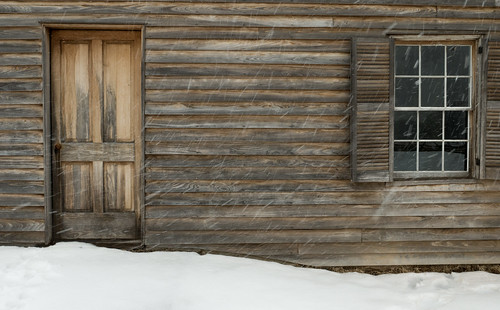
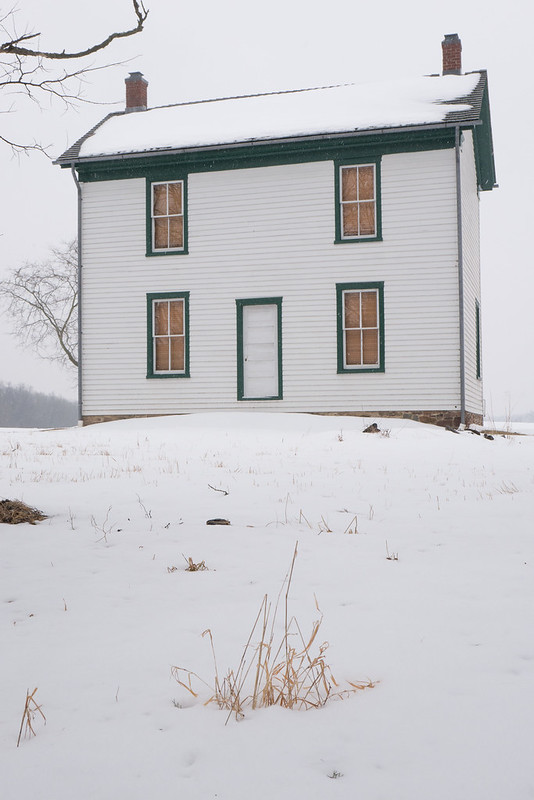
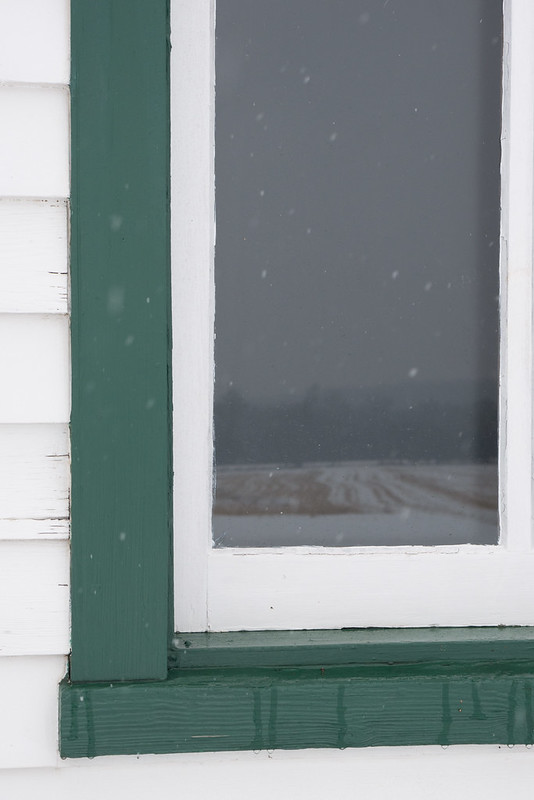
Next up is the Brawner Farm, which was the site of the first real action of Second Manassas (1862), barely a year after First Manassas (1861). The Brawner Farm was restored in 2007. I think it's poorly-done, looking like a tract house out in the middle of the historic battlefield with its air conditioning unit being the first thing you see from the trail, and get this, what appears to be vinyl siding! What a shame.
 
In the second shot, you can see the winter fields reflected in the window glass.
Brawner Farm, by Reed A. George
 
 
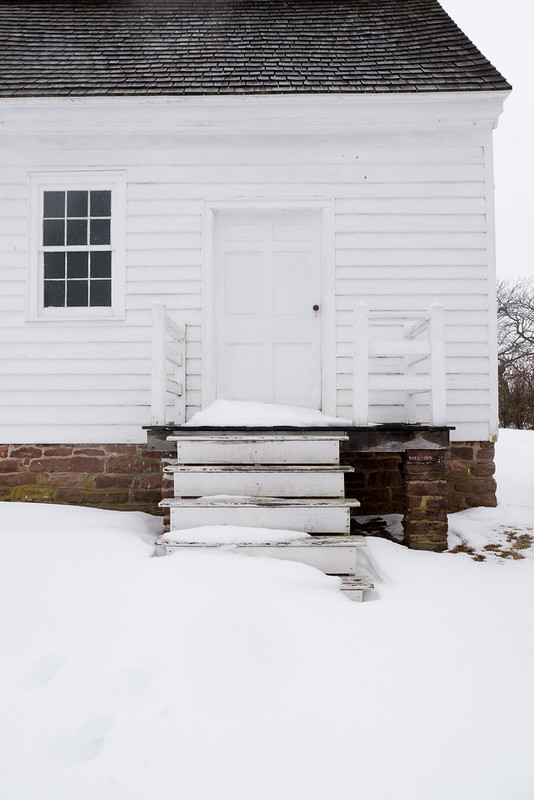
Third on my list was the Dogan House. Lucinda Dogan, a widow and mother of eight children, lived in this house during both battles. Mrs. Dogan lived to be 93 years old, and is buried in nearby Groveton Confederate Cemetery.
 
The Dogan House is quite difficult to photograph, surrounded as it is by modern roads, telephone wires (bane of the outdoor photographer's existence), and houses.
 
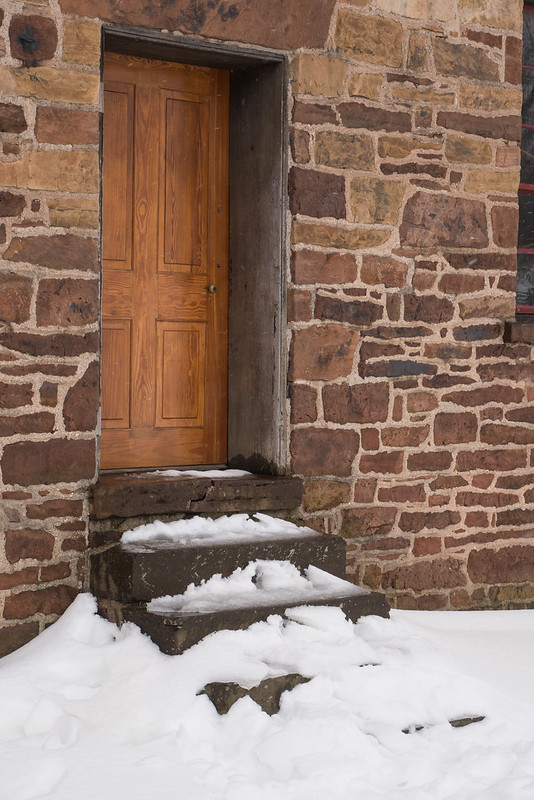
I can just imagine old Mrs. Dogan's hands reaching to put the key in that keyhole.
 
 
Dogan House, by Reed A. George
 
 
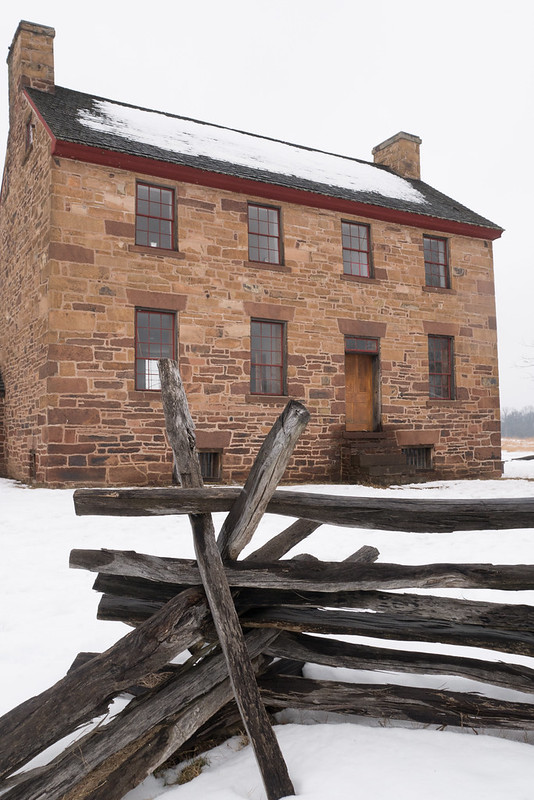
Next up, the Stone House. This building is probably the most well-known on the battlefield, and was in the hot zone of both battles, but especially First Manassas. Serving as a field hospital to both union and confederate troops, the building took a lot of fire during the battle.
 
 
Stone House, by Reed A. George
 
 
And finally, a pretty well-kept secret of the National Battlefield, Thornberry House. Located at Sudley Springs Ford, the site where Union General Irvin McDowell took more than a third of his 35,000 troops across Bull Run Creek in the first battle to attack the Confederate left flank, after failiing at their right. They marched right by the Thornberry house. Late that afternoon, after suffering a crushing defeat on Henry Hill and further, some of those troops retreated by this same route, while others made a crazed, confused dash straight back toward Washington, DC. As with many houses near the battlefield, the Thornberry house also served as a field hospital.
 
Sudley Springs was also active in Second Manassas, as Stonewall Jackson's stronghold in the unfinished railroad grade had its eastern end within easy sight of the Thornberry House.
 
Thornberry House, by Reed A. George
 
So, which three of these five buildings are true survivors from the actual days of the battle? The Dogan House, Stone House, and Thornberry House. I was surprised to learn that the Henry House had been entirely rebuilt in about 1870. I was not so surprised to find that the Brawner House was not the original, although it was of correct era construction before the renovation. Apparently an old house was moved onto the site sometime after the Civil War, and after the original farmhouse was gone.
 
So, I did spend the whole day with my Lumix DMC-GX7. I only changed lenses a couple of times, to shoot with my new Bower fisheye lens (more on that later). The majority of the time I used the Series II 14-42mm kit zoom, which I find to be quite impressive. Since it was a pretty bright day, I was able to shoot at iso 200 the whole day.
 
I'm still not completely comfortable with all of the controls of the GX7, and did inadvertently hit buttons on the camera's back more than once. This is probably something I can train myself out of, just by spending more time with the camera. I enjoyed using it today, and am very pleased with the results.
 
DMC-365.blogspot.com