Showing posts with label Youxin Ye. Show all posts

Tuesday, April 15, 2014

Quick Test of an Old Leica

A couple of months back, I had the fortune of finding two Leica IIIC cameras, separate but very close together in time, both manufactured at the end of World War II. Coming from separate sellers, the cameras are extremely similar, both having the wartime "stepper" design, and having been manufactured in 1945. In both cases, according to the best source on wartime Leicas anywhere (James Lager, my colleague in the LHSA), they were most likely sold to allied soldiers in Europe at the end of the war.
 
One of the cameras came with a date-matching Elmar 5cm f3.5 collapsible lens (the standard lens of the day). I used that lens for the images below.
 
I've now had both cameras serviced by Youxin Ye, and they're working as-new. I took the second one that I purchased out for a walk and test roll recently. You see the results below.
 
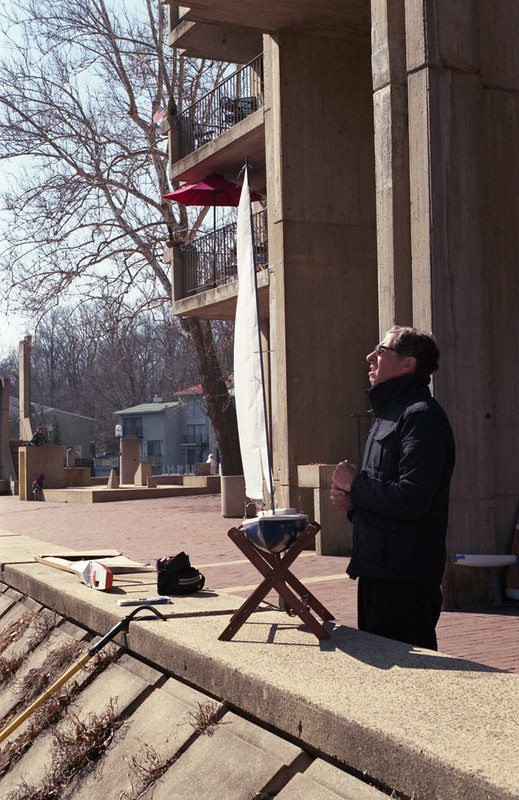
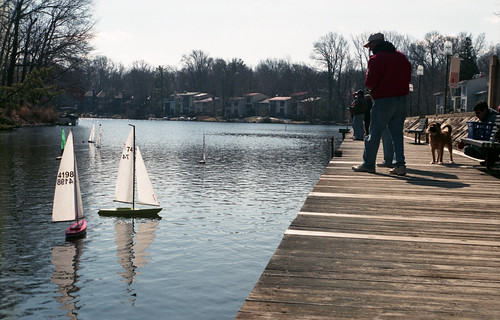
I happened onto a model yachting event in Reston, Virginia. These images are straight from the camera, Walgreens iso 200 color print film, processed by The Darkroom.
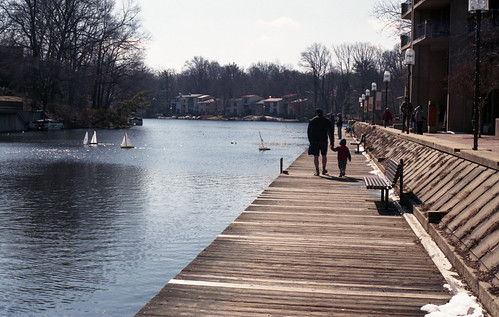


In the shot above, you can see what I believe is internal reflection in the lens/camera. I was not using a lens hood.
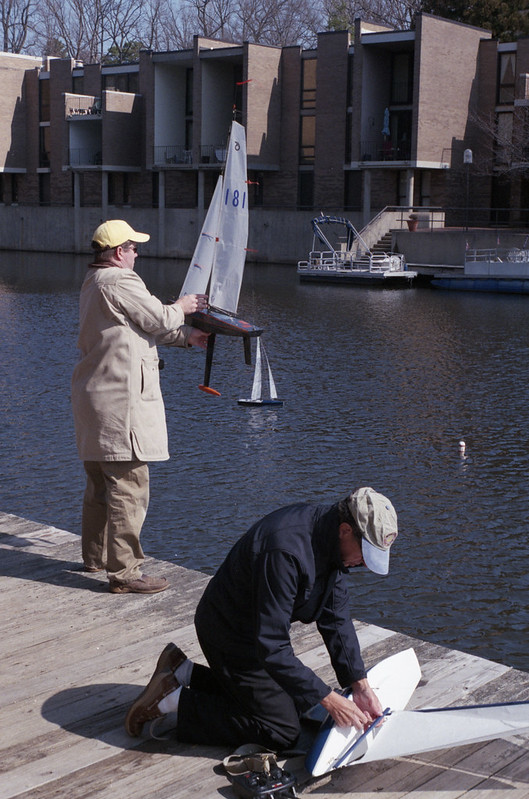
 
This final shot is my favorite of the bunch.
 
No Pulitzers here, I'm sure. However, I did accomplish my goal, which was to test the camera and lens. I kind of like the rather low contrast result, especially as the light was quite harsh. I'm not sure how much of the low contrast comes from the lens (most, I suspect), versus the film. The cheap Walgreens film tends to have this sort of look on its own. Most of these were shot at f8 or smaller aperture, and relatively high shutter speeds.
 
The images are plenty sharp, and I think the color representation is quite nice.
 
It's amazing to me that such a piece of photographic history, made well before I was born, still works and yields results that are at least as interesting as modern cameras. Certainly the technical performance of modern cameras and lenses is better, but I'm quite happy with the look this camera and lens produce. And that's what matters to me.
 
DMC-365.blogspot.com


Thursday, February 20, 2014

Quick Report on Leica Store Event and Regional LHSA Meetup

I have been pretty active in the LHSA (International Leica Society) over the past year or so. One of the most rewarding things I've done is to schedule local meetups for LHSA members, roughly quarterly. These get a small yet dedicated attendance, and are always interesting.
 
(Click Here) to learn about and join LHSA.
 
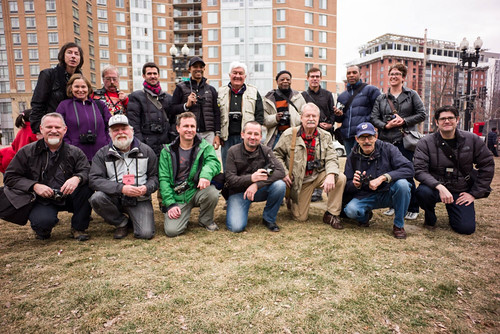
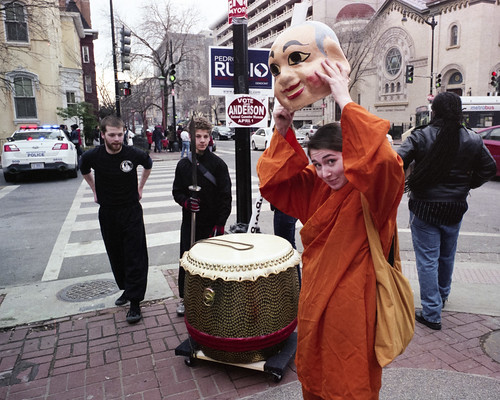
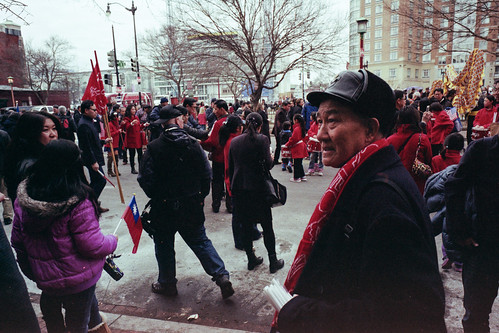
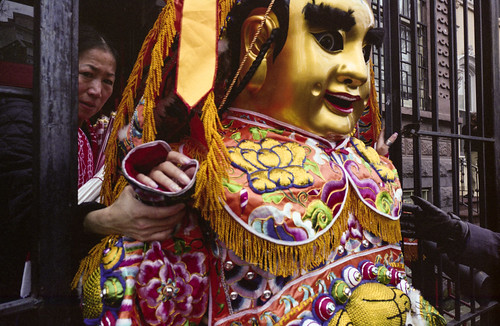
For the most recent meeting, I decided to coordinate with the Washington DC Leica Store's photowalk event at DC's Chinese New Year celebration in Chinatown. A large group of Leica users met for the Chinese New Year parade, a mix of LHSA members and non-members.
 
(Click Here) to go to the DC Leica Store's home page. They have a beautiful store, and regularly host interesting events for Leica users.
 
We borrowed someone's camera and grabbed a nice Leica user group shot:
 
 
Since my M9 was in for service, I decided to shoot all film for this event. I brought my lovely M3 double stroke with 50mm Summicron f2 version 3 lens attached, and, stretching the Leica definition, my Zeiss SW body and Zeiss Biogon 25mm f2.8 lens.
 
I had a first-ever experience during this event. My M3's film advance mechanism jammed on me, preventing me from using it after about 15 exposures. I'd never experienced a mechanical problem with a Leica camera. Not to worry, it's already back from Youxin Ye, who quickly serviced it at no cost, since I had bought the camera from him last year.
 
Need Leica film camera service? Get in touch with Youxin. He does a great job and has my full recommendation.
 
(Click Here) to go to Youxin's home page.
 
Since we were meeting the very next week to share results at the Leica Store, I make the mistake of taking my film to one of the only local drugstores who still process film. Their processor must have needed service; the color came out just ridiculously bad, and in an unpredictable way. It seems that some frames were okay, others were almost completely devoid of red tones (you don't want to lose your reds in a Chinese New Year image), with a cyan tone. So, I had to work pretty hard in Lightroom to come up with a few images worth sharing.
 
NOTE: None of this would have been a problem if I'd used my regular processing solution, The Darkroom. I've used their mail-in service many, many times, and never had a single issue.
 
(Click Here) to look into The Darkroom's first-rate film processing service.
 
So, after overcoming a few challenges, here are the images I decided to share at the DC Leica Store:


We had our regional LHSA meetup at the National Portrait Gallery, just down the street from the Leica Store, before heading there to share images.
 
It was actually a lot of fun shooting the Zeiss SW and Biogon 25mm wide angle lens. It required getting very close, but I like the feel of the images.
 
DMC-365.blogspot.com


Sunday, February 2, 2014

Quick Test of my New Wartime Leica IIIC

 
Wartime Leica IIIC
 
A few years ago, I purchased a beautiful Leica IIIC wartime model (ca. 1942) from a friend of a friend. At the same time, I got an uncoated LTM Summitar 5cm f2 lens (1939). Both the camera and lens turned out to be favorites of mine. The wartime IIICs are characterized by a little step up on the top plate, where the rewind lever sits. Therefore, these cameras are sometimes referred to as "steppers." I always have my eyes open for these models, both because the wartime IIICs are usually in better shape than postwar cameras, due to issues with chrome plating after the war, and because they really are little pieces of history. They don't come up for sale all that often.
 
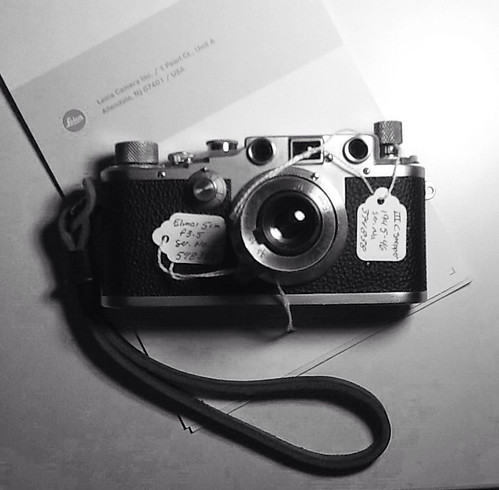
Recently, I saw the camera above on one of the forums, another wartime IIIC from 1945-46, with a matching Elmar 5cm f3.5 collapsible lens from 1945. I paid a little more than I should have for it (not really bad though, as these cameras go for very little money these days). I had to have it serviced by Youxin Ye to get the slow speeds working, but that's really an investment rather than a cost. Youxin also recovered the camera and cleaned up the Elmar very nicely. It's now all fixed up and working well.
 
In order to just do a quick test of this new camera and lens, I popped in a cheap roll of Walgreens 200 speed color print film and gave it a shot. You'll see that this film is quite grainy for 200 speed, but otherwise I guess it's okay. All of these were shot with the Elmar that came with the camera.


I tried to use a variety of shutter speeds to make sure the shutter's operating properly. I don't see any problems here at all.
 
So, I've now got a second wartime Leica and matching Elmar 5cm f3.5 lens. Checking with the expert on these cameras, Jim Lager, who I met through my membership in the LHSA (International Leica Society), I learned that this camera was most likely sold to an Allied soldier at the end of World War II. The serial number indicates that it was made late in the wartime camera production era.
 
Surprisingly, I've now found an even higher serial number IIIC on the same forum, and purchased it. The seller tells me that this one fires well at all speeds, so hopefully it won't need the same level of service as the one pictured here. Again, this younger stepper IIIC was probably sold to a US or Allied soldier at the very end of the war. I'll share pics when it arrives.
 
DMC-365.blogspot.com


Saturday, June 8, 2013

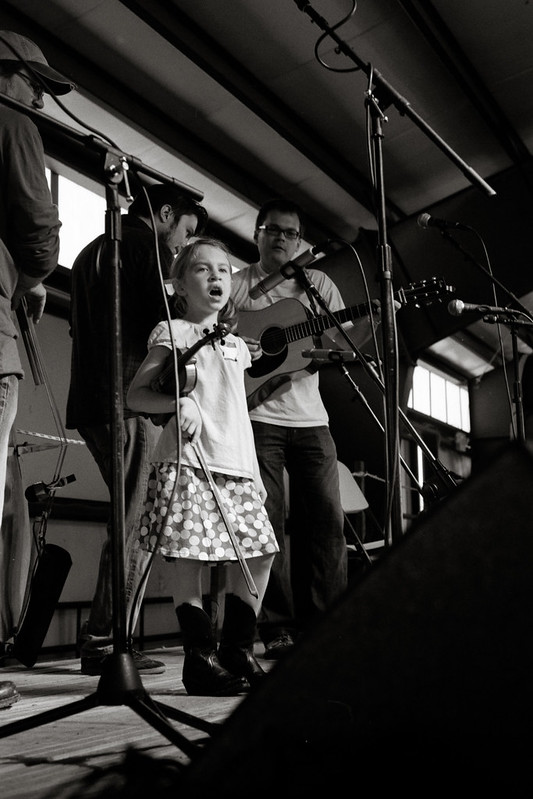
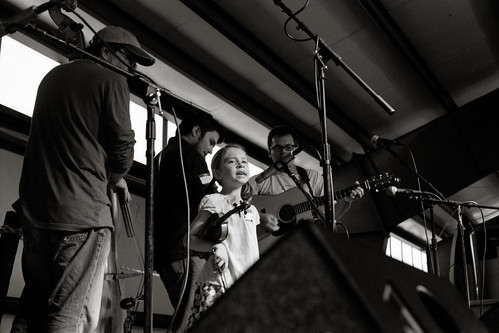
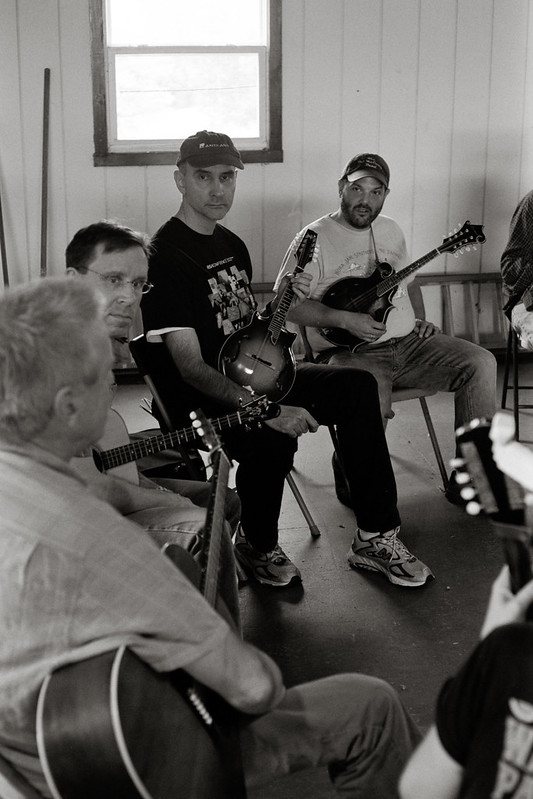
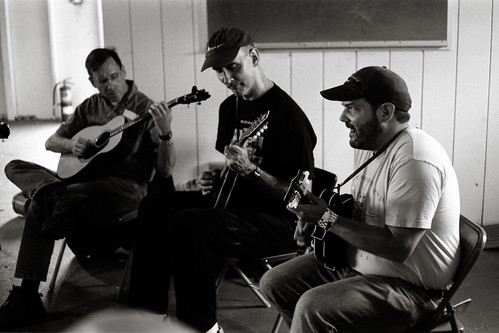
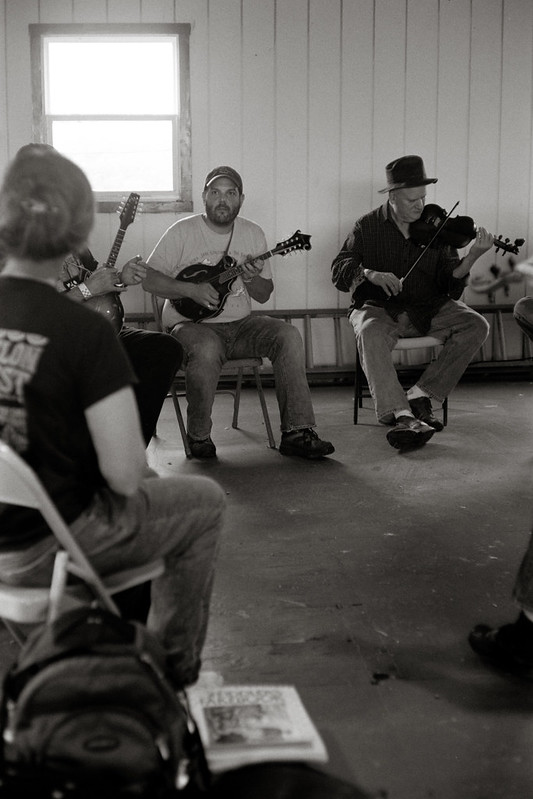
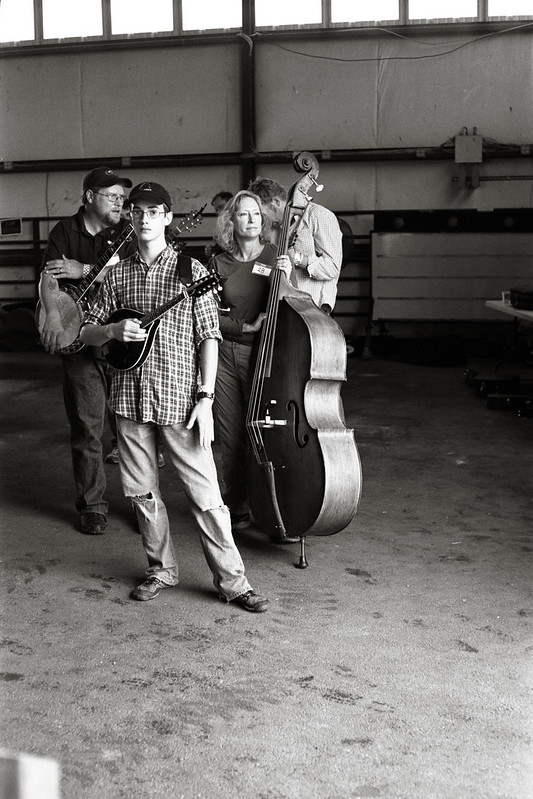
Using my Leica M3 DS at a Bluegrass Festival

I recently added an M3 to my Leica collection. Part of my motivation was pure curiosity. I have understood that the M3 was a milestone development for Leica, being the first M body produced, way back in 1955. Otherwise, it wasn't obvious to me why so many people were in love with their M3s, seemingly more so than other M models. One thing I really didn't get was that the M3 has limited framelines in the viewfinder, meaning that the widest lens you can use without a "goggles" attachment is 50mm. More on this later.
 
I decided that I wanted to get an early unit, which meant that it is a double stroke (DS) - this simply means that you have to wind the lever twice to fully advance the film. I looked at a few different cameras, but didn't find exactly the one I wanted until I contacted Youxin Ye, Leica repair master. Youxin has serviced several cameras for me in the past. He happened to have a very early M3 ready for refurbishment.
 
(Click Here) to go to Youxin's page. Youxin provides quick, reliable service. He has my full endorsement.
 
In any case, the other "features" of the early M3, besides DS, are the lack of a frameline lever for manually changing the framelines in the viewfinder, and a glass film plane plate, for maximum film flatness. Glass was replaced with metal later in the M3 production cycle.
 
Needless to say, Youxin provided me with an absolutely gorgeous M3 DS at a reasonable price. I fell in love as I opened the box. Looking through the viewfinder sealed the deal. You see, since the finder is not as wide angle as other Ms, when you do use the 50mm lens, you get this beautiful, bright image in the viewfinder. Making it wide enough for say a 35mm lens on other M models makes the 50mm framelines cover less of the total finder image. Since I am a 50mm guy, I'm quite happy with the M3s finder being optimized for that focal length.
 
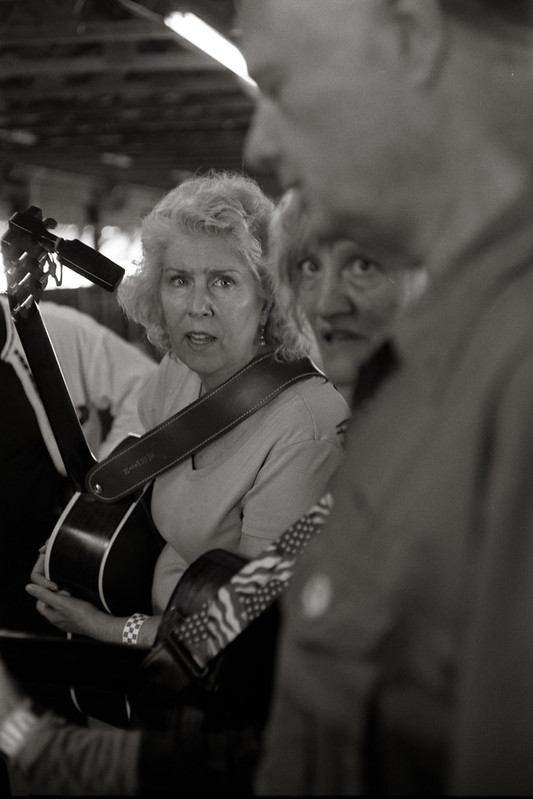
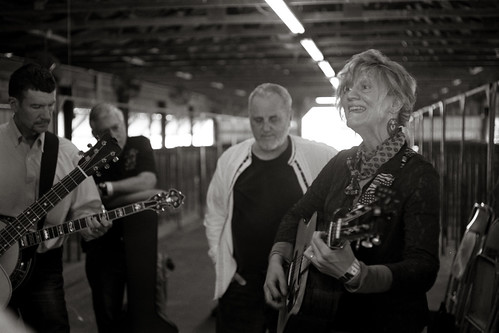
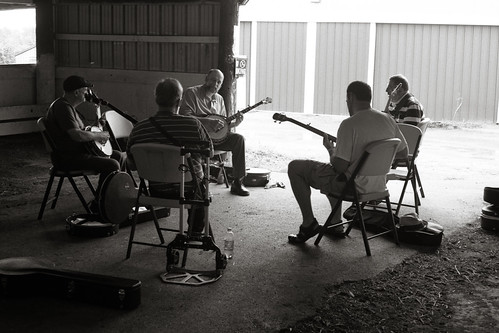
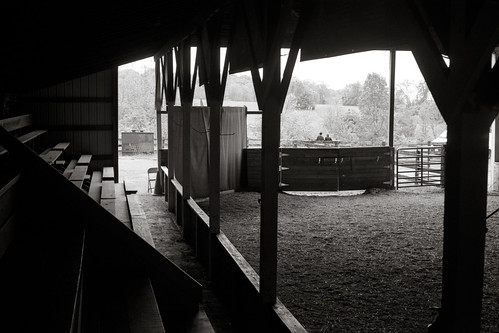
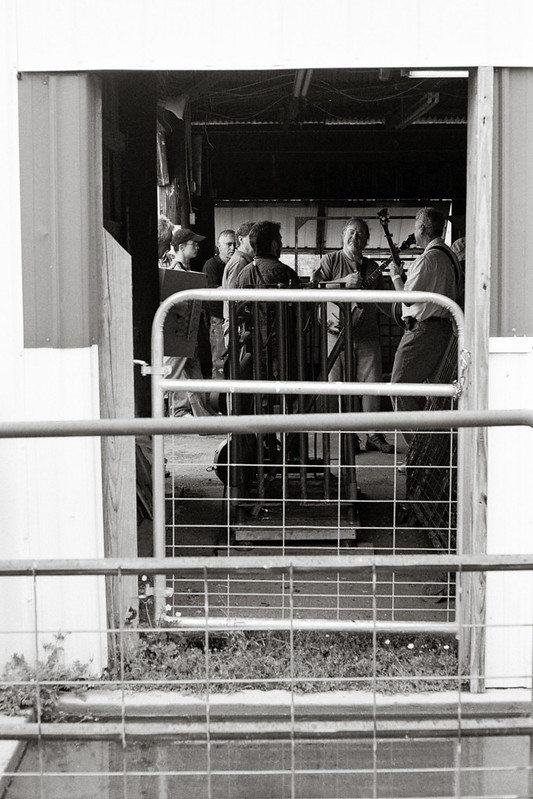
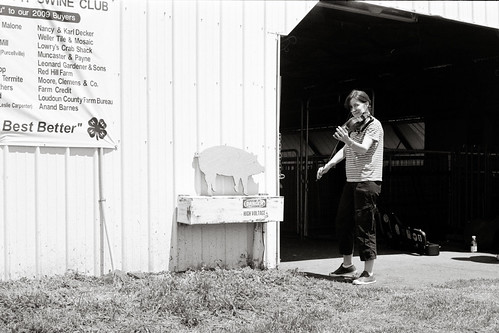
Enough about the camera. I popped my vintage 1955 Summicron 50mm f2 collapsible lens (which was my Whole Lotta Leica selection for April) on and went to shoot a daytime bluegrass festival near my home in Loudoun County, Virginia.
 
(Click Here) to read about this special lens.
 
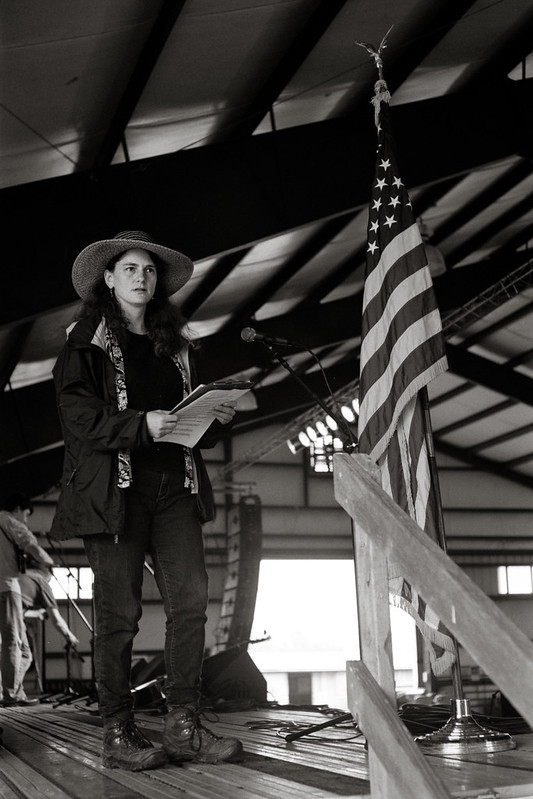
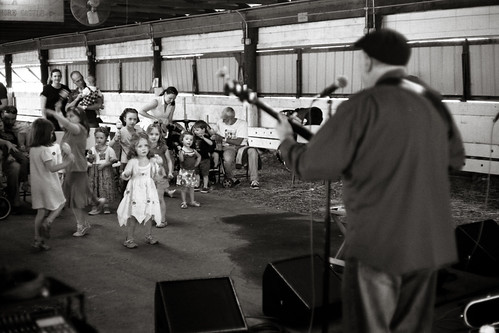
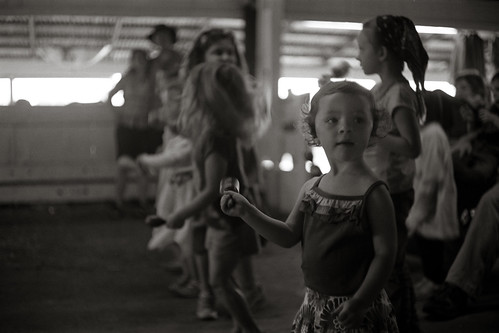
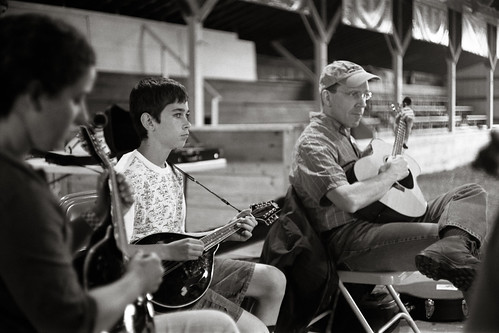
Here are some results:


All Images by Reed A. George
Leica M3 DS, Summicron 50mm f2 Collapsible
Kodak TMax 400 film
 
As usual, The Darkroom processed my film with excellent results.
 
(Click Here) to visit The Darkroom and use their awesome mail-in processing services!
 
DMC-365.blogspot.com