Showing posts with label Acoustic Burgoo. Show all posts

Friday, April 11, 2014

Dreaming in Monochrom(e) - Mink's Miracle Medicine Show

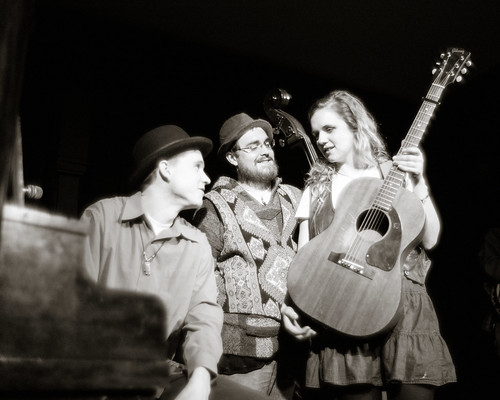
My friends Rudy, Melissa, and Erik, former members of the band Acoustic Burgoo, came together to play a show under Melissa's new band name, Mink. The show was at Cristina's Cafe in Strasburg, Virginia.
 
(Click Here) to find Cristina's. If you're ever passing through Strasburg, stop in for a "Sexi Mexi Combo!"
 
I shot the show with my "Dreaming in Monochrom(e)" camera, the Leica M4-2, and my new favorite black and white film approach, using Ilford Delta 3200 exposed at iso 1600, and processed by The Darkroom.
(Click Here) to learn about The Darkroom, the best film processing service I've ever used.
 
Melissa Finishing Up the Set List, by Reed A. George
Leica M4-2, Ilford Delta 3200 Film
 
I shot with two lenses, the Zeiss C-Sonnar 50mm f1.5, which is a modern remake of the classic Sonnar design, with the latest materials, technologies, and optical coatings. The second lens was my Leica Summilux 35mm f1.4 version 3, from the 1970s.
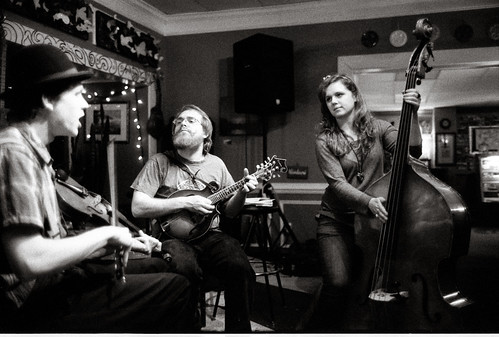
 
Mink and Friends, by Reed A. George
Leica M4-2, Ilford Delta 3200 Film
 
This was a very laid back show, which is sometimes nice. I got to hang out with my friends, have some excellent Mexican food, and move around and shoot as much as I liked.
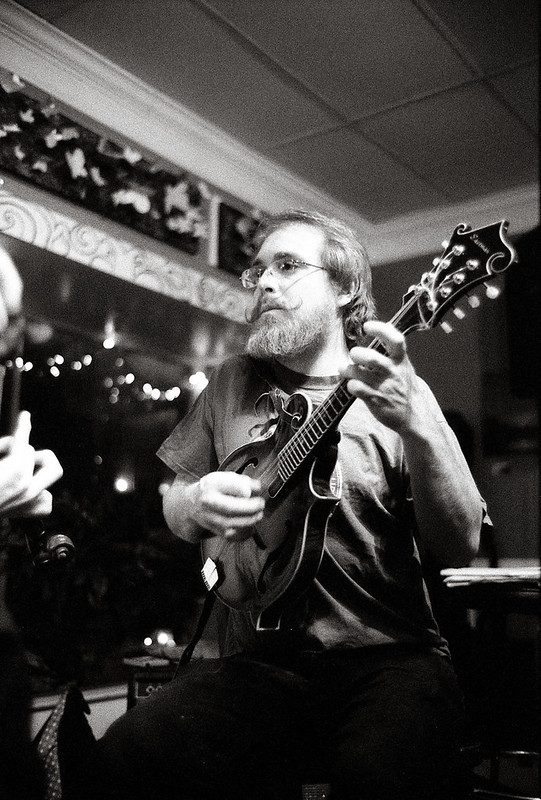
 
Erik Burnham, by Reed A. George
Leica M4-2, Ilford Delta 3200 Film
 
We saw various combinations of the three performers, and when not playing on stage, Erik stayed busy playing off-stage, dancing with our lovely waitress (whose name I didn't get, sorry!).
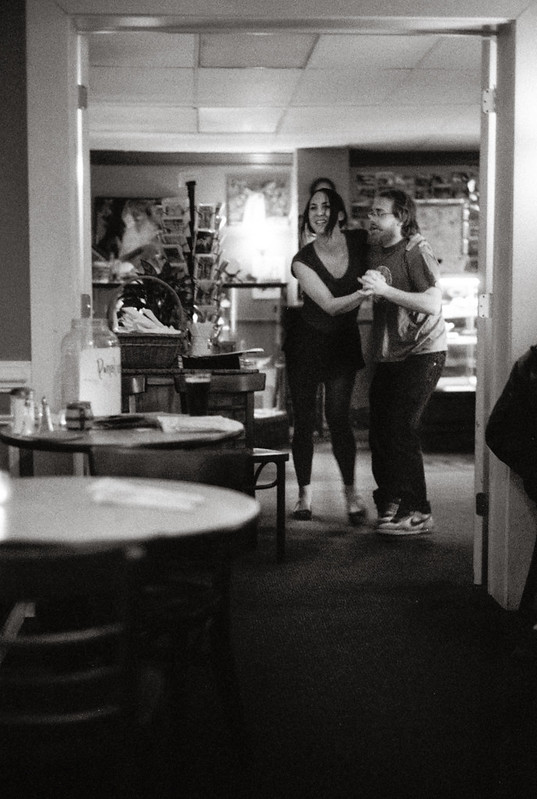
 
Dance, by Reed A. George
Leica M4-2, Ilford Delta 3200 Film
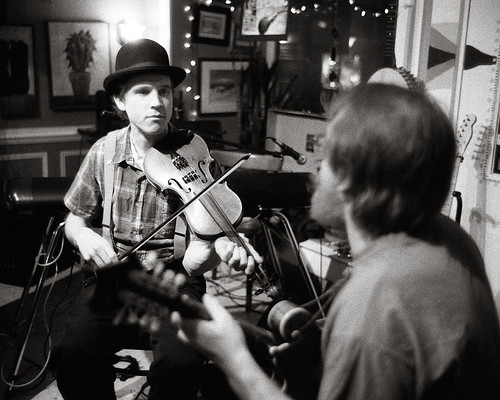
 
Rudy B. and Erik, by Reed A. George
Leica M4-2, Ilford Delta 3200 Film
 
Erik and Rudy are in another band, The Plank Stompers. You'll see images from my frequent attendance at their shows as well here at DMC-365.blogspot.com. The shot below is from behind them on stage. That's Britt in the audience (with the beard).
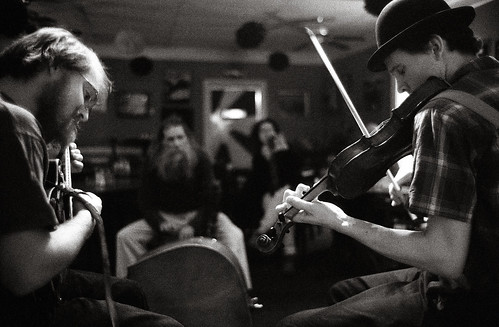
 
 
Mink and Friends, by Reed A. George
Leica M4-2, Ilford Delta 3200 Film

Here is a shot that took advantage of the stage lights to play with some internal reflections and unpredictable properties of optics. Chance rather than design, I like how it turned out.
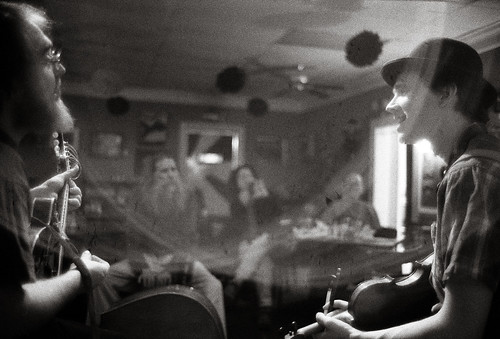
Erik and Rudy, by Reed A. George
Leica M4-2, Ilford Delta 3200 Film
 
I think I have a style for many of my concert images now, at least the ones I want to shoot in monochrome.
 
I'm in the process of testing a new color film (CineStill), to see if it can be an equally satisfying solution for color. I shot two 36 exposure rolls of it last night at a house concert; we'll see how that turns out in a week or so.
 
DMC-365.blogspot.com
 

Sunday, March 9, 2014

O'er the Beautiful Snow

It's another snowy, stormy day here in Northern Virginia as I write this. Rather than let it keep me inside, I decided to take a walk in the woods and try to capture the mood. Choosing a simple and durable setup, I grabbed my Lumix DMC-TS5 (waterproof, everything-proof compact camera) and figured out how to set long shutter speeds manually. I wanted the longest exposures I could get, so that I could get some nice motion blur as I walked.
 
In order to use 1 second (or 1/2 second in some cases), I had to hold up a 3X neutral density filter over the lens on the TS5. No problem.
 
I've set a short selection of the images (unedited jpegs from the TS5) to one of my favorite songs, "O'er the Beautiful Snow," by Melissa Wright and the Acoustic Burgoo. The mood of the song is perfect for what I wanted to portray.

 
O'er the Beautiful Snow, by Melissa Wright and Acoustic Burgoo
Images by Reed A. George

 
(Click Here) to see the slideshow set to the music (~4 minutes playing time). Be sure to have your volume up to hear the music!
 
Melissa was nice enough to give me permission to use the song for this purpose. I hope you enjoy.
 
DMC-365.blogspot.com


Tuesday, June 11, 2013

My First Experience Shooting in the Studio - Headshots For A Friend

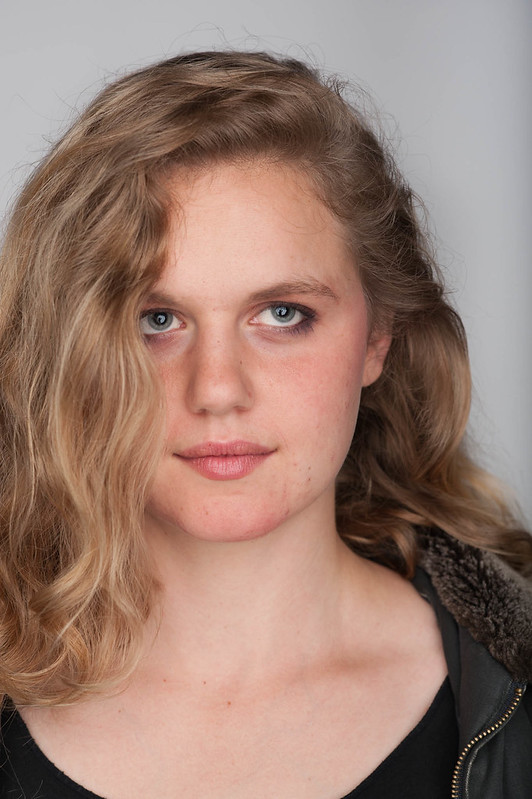
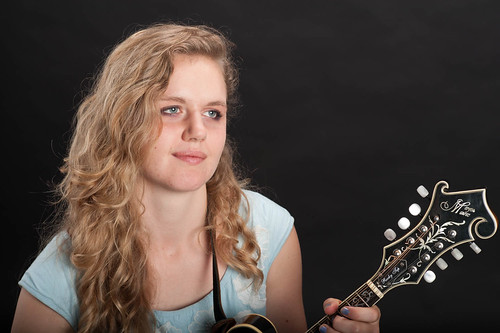
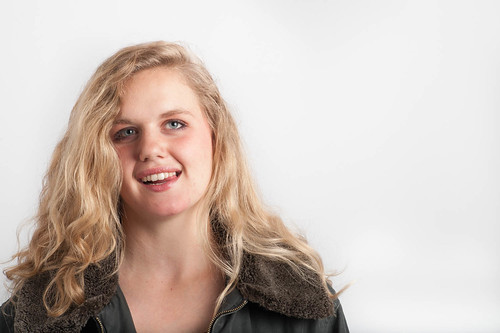
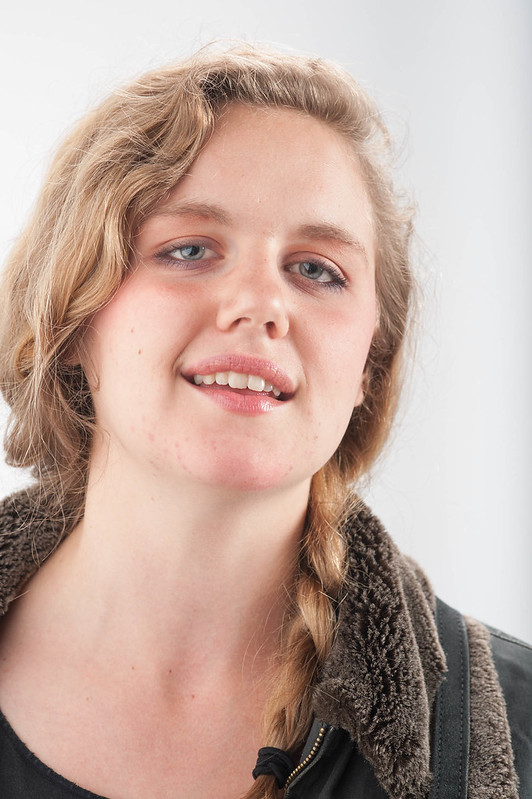
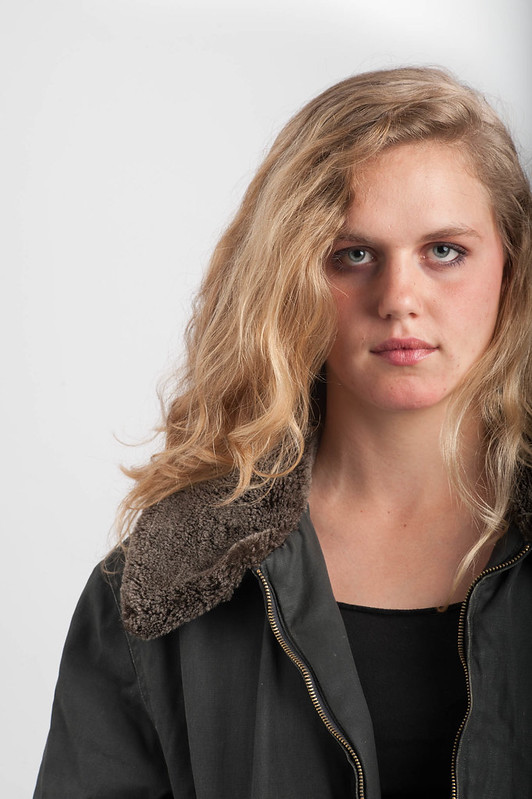
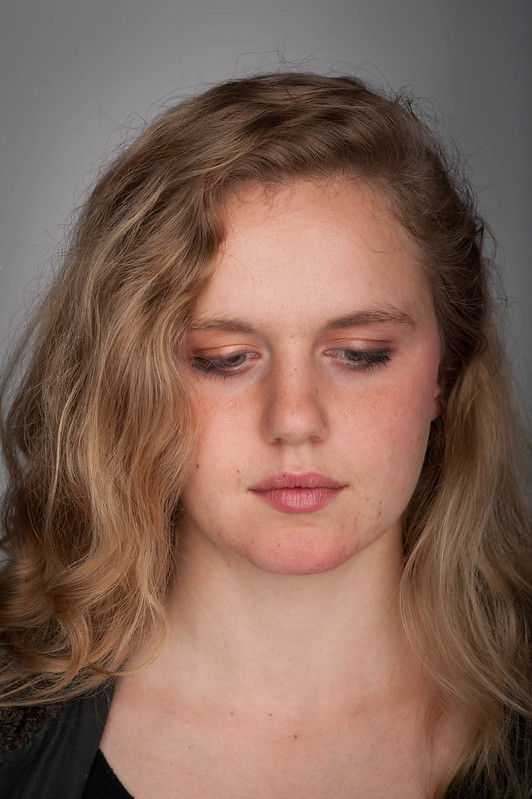
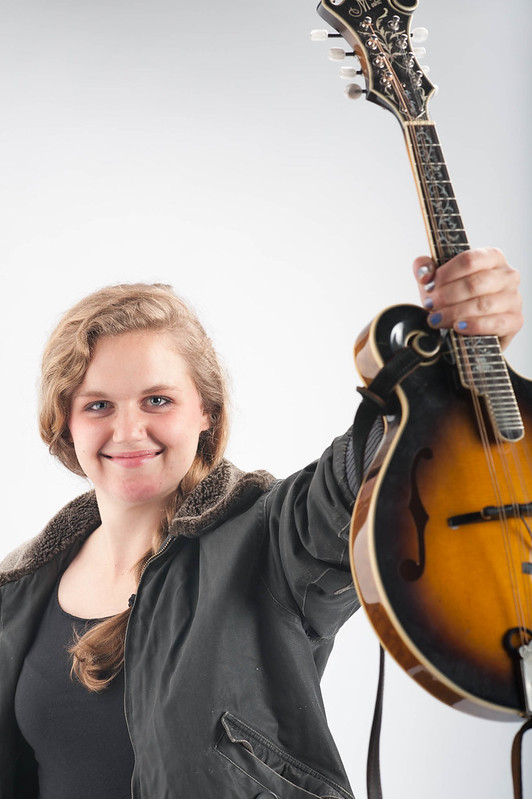
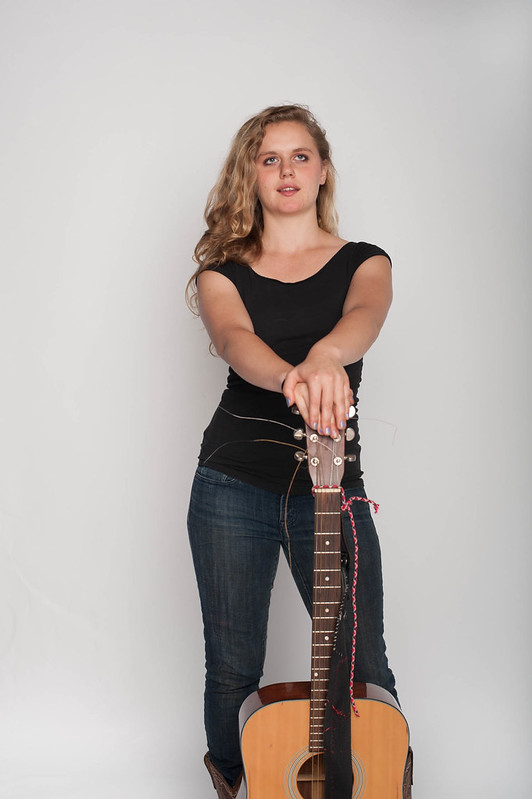
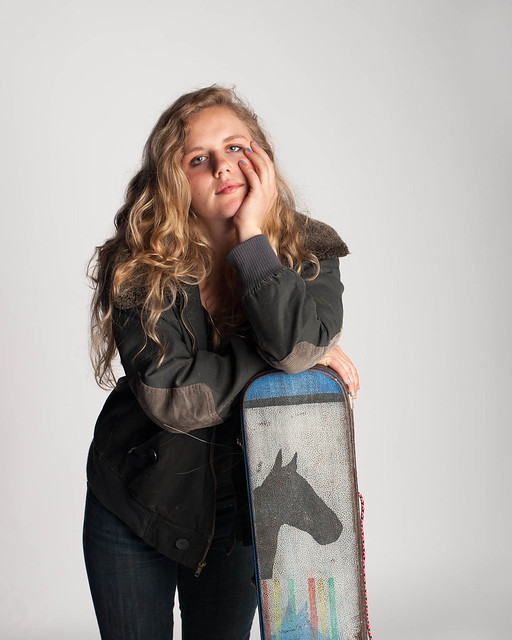
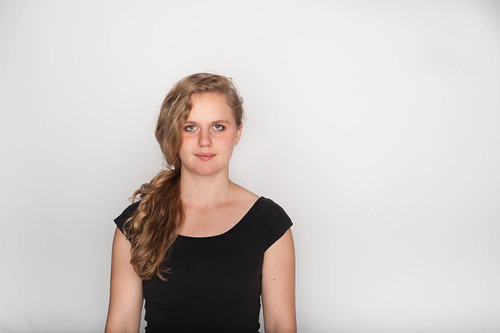
So, one of my friends and favorite local musicians, Melissa Wright, inquired about my interest in shooting headshots for her. Having never done any studio work before, of course I was excited to give it a try. It took a couple of weeks to find a rental studio and get our schedules in sync, but we finally pulled it off.
 
(Click Here) to see all the full resolution images on my site, creativeobjective.com
 
We met at 9:30 on a Saturday morning, at which time I was still fooling with lighting setup. Both a little tense, we jumped right in and started shooting. I think the tension shows in the first shots.
 
Melissa, by Reed A. George
Nikon D700, Nikkor 85mm f1.8 Lens
iso 100, f8, 1/250 sec
 
Melissa, by Reed A. George
Nikon D700, Nikkor 85mm f1.8 Lens
iso 100, f8, 1/250 sec
Melissa, by Reed A. George
Nikon D700, Nikkor 85mm f1.8 Lens
iso 100, f11, 1/250 sec
I've known Melissa for a few years now, so it didn't take long for us both to loosen up. With headshots, by the conventional definition, your main goal is to show a person's face, what they really look like, without cheesy grins or fake expressions. Once we both felt that we had that covered, my goal was to experiment a little, and see if we could capture a range of expressions. As I've read many times, the trick is to get your minds off of being on both sides of a camera, and capture the model in her own mind, thinking of things. I think we did that pretty well. You be the judge.
Melissa, by Reed A. George
Nikon D700, Nikkor 105mm f2.5 AiS Lens
iso 100, f16, 1/250 sec
 
Melissa, by Reed A. George
Nikon D700, Nikkor 85mm f1.8 Lens
iso 100, f9.5, 1/250 sec
Melissa, by Reed A. George
Nikon D700, Nikkor 105mm f2.5 AiS Lens
iso 100, f16, 1/250 sec
Melissa, by Reed A. George
Nikon D700, Nikkor 85mm f1.8 Lens
iso 100, f9.5, 1/250 sec
Melissa, by Reed A. George
Nikon D700, Nikkor 85mm f1.8 Lens
iso 100, f9.5, 1/250 sec
Melissa, by Reed A. George
Nikon D700, Nikkor 50mm AF-D f1.4 Lens
iso 100, f5.6, 1/250 sec
Melissa, by Reed A. George
Nikon D700, Nikkor 50mm AF-D f1.4 Lens
iso 100, f5.6, 1/250 sec
 
Melissa is a very talented singer and strummer of many instruments. Her latest effort is called "Mink."
(Click Here) to see the Mink page on Facebook, and determine when and where you can see Melissa perform.
 
Melissa, by Reed A. George
Nikon D700, Nikkor 50mm AF-D f1.4 Lens
iso 100, f5.6, 1/250 sec
 
As you can see, I chose to shoot with my Nikon D700, 50mm/f1.4, 105mm/f2.5, and 85mm/f1.8 lenses. The studio was set up with multiple backgrounds (we used black and white only), two large light boxes, and a somewhat improvised hair light. It was also setup with a wireless trigger system. It took me a few minutes and tries to get everything right, but once that was done, I could leave it as-is and worry only about composition and getting the right expression. Focus was pretty quick and easy, even with the manual focus 105mm AiS lens. Because there was so much light, setting f5.6-11 for appropriate depth of field worked well.
I took a few shots with my medium format TLR, the Minolta Autocord, but it was really more of an afterthought, far into our session. I haven't gotten those processed yet, but my expectations are not that high. The Nikon really pulled through for me.
 
I found that I really enjoyed shooting this way. It is quite different than my normal shooting experience. I liked having full control of the lighting, and the challenge of capturing who Melissa really is. I'll do more of this as opportunities arise.
 
Thanks, Melissa! I hope the images are useful to you.
 
DMC-365.blogspot.com


Saturday, June 1, 2013

My Shot of The Acoustic Burgoo Wins the Piedmont Virginian Photo Contest!

The Acoustic Burgoo, by Reed A. George
Panasonic Lumix DMC-G3, 100-300mm f4-5.6 at 100mm
iso 6400, f4, 1/100 sec.
 
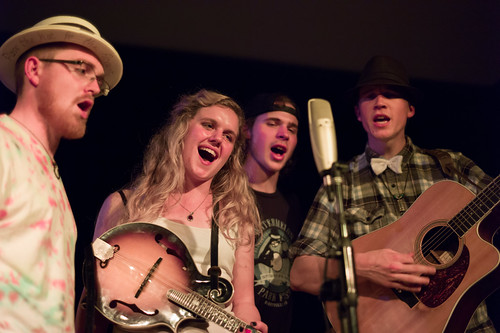
My photo of the local band, The Acoustic Burgoo has won first place in the Arts/Music category in Piedmont Virginian's 2012 photo contest!
 
(Click Here) to go to the Piedmont Virginian's website.
 
The hard copy magazine will be on shelves in early July.
 
Once again the Lumix G3 comes through for me, even at high iso settings!
 
DMC-365.blogspot.com


Monday, March 25, 2013

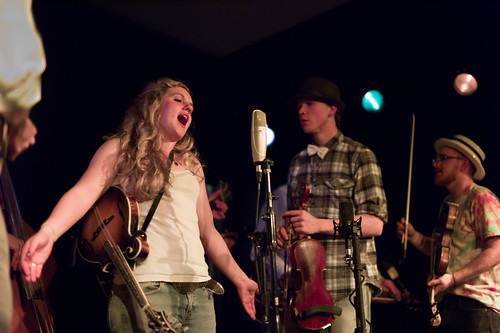
Whole Lotta Leica - March's Summilux 35mm with Acoustic Burgoo at the Opera House

 
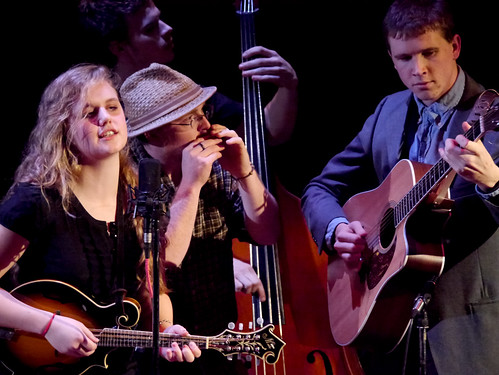
Rudy, Erik, and Melissa of Acoustic Burgoo, by Reed A. George
Leica M9, Leica Summilux 35mm f1.4 Lens
iso 1250, f 1.7, 1/60 sec
 
I don't usually get out for live music on weeknights, but The Acoustic Burgoo, one of my very favorite local bands, is the Artist in Residence at the Shepherdstown, West Virginia Opera House this month. They're playing a show every Thursday in March.
 
(Click Here) to go to the Burgoo's website. If you live near DC and like live music, you've gotta see them. They have a wide musical base (most of the first set was Hank Williams tunes last night), and are incredibly talented.
 
(Click Here) to see the Opera House's website. A great little venue.
Before the Show, by Reed A. George
Leica M9, Leica Summilux 35mm f1.4 Lens
iso 1250, f 2, 1/60 sec
 
Dedicated Fan, Rachael, by Reed A. George
Leica M9, Leica Summilux 35mm f1.4 Lens
iso 1250, f 1.4, 1/180 sec
 
 
This was a show where I really needed the fast aperture of the Summilux f1.4. You can see that the Summilux is a little soft (also known as the "Leica glow") at f1.4 and f1.7. I actually really like that look for some images, not for others. By f2, it's quite sharp.
 
Shooting the M9 at iso 1250, which I consider to be about the maximum truly useful iso for the M9, always presents a little challenge. I found an interesting set of forum discussions about the M9 being essentially an "iso-less" camera. The idea is that the amount of light hitting the sensor (number of photons) is not affected by iso settings. It is only determined by f-stop and shutter speed. Raising the iso setting only increases the gain of the sensor, which also increases noise. So, some people believe in keeping iso low, underexposing, and increasing exposure in post-processing (in Lightroom in my case). Here's a quote and source:
 
"This is not actually the case with the M9. The M9 is essentially an ISO-less camera. Pushing ISO 160 three stops in Lightroom 4 yields as good, if not better, results than using ISO 1250. Of course, the more light you get to the sensor, the better, but raising ISO in camera is not actually necessary, in terms of IQ. Granted, if you don't raise ISO in camera, you won't have a usable review image on the camera's LCD, so it may not always be practical."
 
(Click Here) to read the thread on this subject on getdpi forums.
 
I shot all of my images last night at iso 1250, but even at f1.4, I had to underexpose some to get the shutter speed I wanted. So, I had to increase exposure in Lightroom on most of them. The third image was the most extreme example. Shooting where I was literally in the dark, I didn't notice that my shutter speed was set at 1/180. So, I really underexposed that shot. I boosted it 2 full stops in Lightroom, and don't think it suffered too much.
 
One of the things I find is that adjusting the blacks in Lightroom so that you have some true blacks in your image, significantly reduces the appearance of noise.
 
In any case, it was a blast seeing the Burgoo and shooting the M9 and Whole Lotta Leica lens for this month. More to come with the Summilux!
 
By the way, on the way home I was pulled over for doing 68 mph in a 50 zone. The officer told me he was going to his car to write the citation, then came back and told me since I had a good driving record he would reduce it to a warning. Thank you very much, officer! I got home feeling like it must be my lucky day.
 
DMC-365.blogspot.com


Thursday, December 13, 2012

After A Night of Shooting Nikon At A Concert - A Night of Shooting Leica At A Concert

 
The Acoustic Burgoo, by Reed A. George
Leica M9, Carl Zeiss Sonnar 50mm f1.5 Lens
iso 1250, f2, 1/125 sec
 
 
Well, the night before this shot was taken, I photographed Larry Keel and Natural Bridge with my
most trusted high iso camera - the Nikon D700 (see yesterday's post). On this night, I chose to shoot the Leica M9. There is so much focus on high iso perfection these days, the M9 is considered weaker in this area, and I was concerned about noise. I decided not to push it over iso 1600 in any case, and tried to stay at 1250 most of the night. This meant shooting wide open, or very nearly wide open, with my lovely Zeiss Sonnar C 50mm f1.5 lens.
 
So how did the experiences compare, shooting Nikon DSLR and Leica M9 on subsequent nights, at live music concerts in the exact same venue? First, I shot a lot more with the Nikon. Shooting mostly with the 28mm f2.8 AF Nikkor and 85mm f1.8 AF-D Nikkor lenses, I felt fine shooting at iso 3200. I only used the Nikkor 50mm f1.4 AF-D for a few shots.
 
I picked 32 images from the Nikon night to include in my set on flickr.

(Click Here) to see those selections.
 
On the second night, shooting the Leica, I relied almost exclusively on the Zeiss 50mm f1.5 Sonnar C. Because I had to shoot at a lower iso than the night before, I had to rely on the fast f-stop of the Sonnar. I did shoot a couple with my Zeiss Biogon 25mm f2.8, but not many at all. At iso 1250 or 1600, f2.8 was just not fast enough.
 
I picked 20 images from the Leica night:
(Click Here) to see my Leica selections
 
The Grand Finale, by Reed A. George
Leica M9, Carl Zeiss Sonnar 50mm f1.5 Lens
iso 1250, f2, 1/125 sec
 
I can say that I had more perfectly focused shots using the Nikon. Maybe this is obvious, since I was able to use autofocus with the D700. Also, high iso noise is definitely lower than the M9. Having a fast f1.8 telephoto was very nice for use with the D700. I was pleased with a fair proportion of shots.
 
On the second night, the Leica was a blast to use. First, I got to go backstage with the band for a little while, and the M9 was the perfect camera for that. Small, unobtrusive, quick to use. I would not have felt nearly as comfortable with the Nikon DSLR. Also, I love the feel of the M9, and enjoy manual focusing, even though that affects the number of sharp images negatively - especially shooting moving subjects in low light. The noise at iso 1250 is quite acceptable in my opinion. I did feel limited to the 50mm lens, as neither my wide (25mm f2.8) or telephoto (90mm f2.8) was fast enough at iso 1250.
 
So, when shooting concernts in the future, if I'm going for great stage shots in low light, I'll lean toward the D700. However, if I'm looking for more relaxed shots of performers and fans, and the light permits it, I'll always favor the M9. As usual with me, no clear decision to limit my equipment choices. Both cameras are excellent, but in very different ways.
 
DMC-365.blogspot.com