Showing posts with label series. Show all posts

Wednesday, October 22, 2014

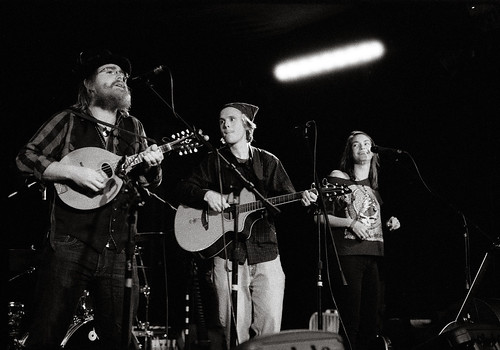
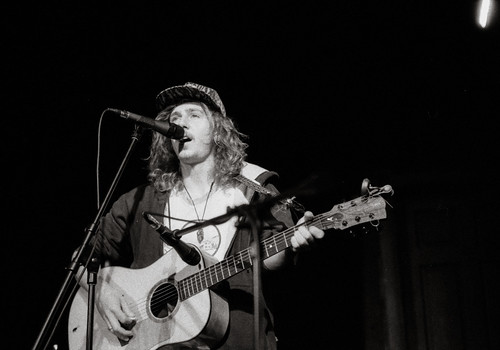
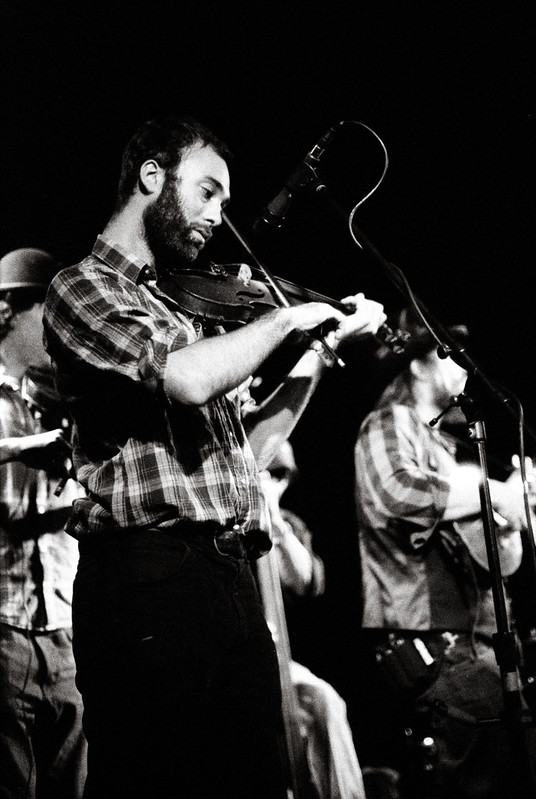
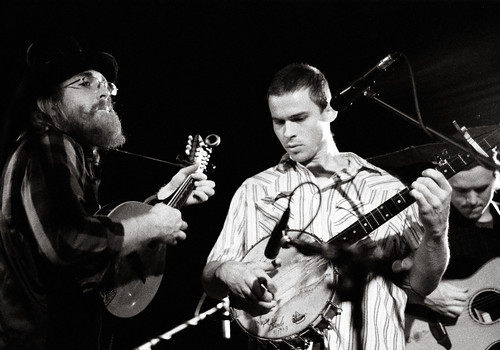
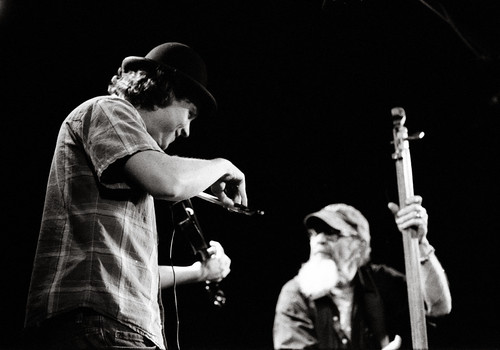
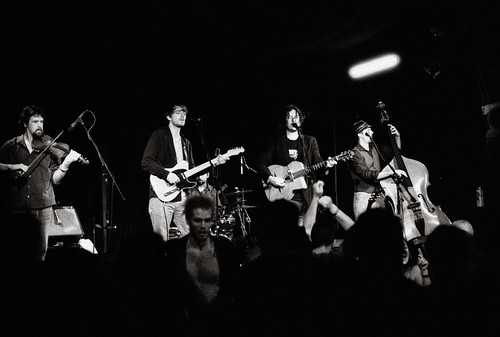
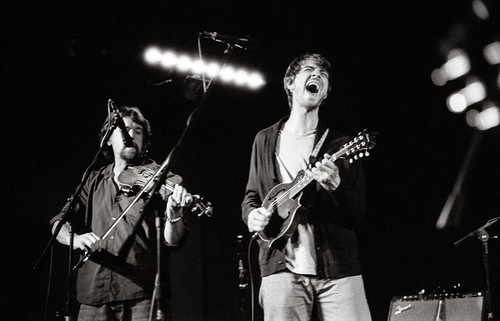
Dreaming in Monochrom(e): Plank Stompers and Woodshedders at the Opera House

I haven't posted anything to this series in a while. I think that further affirms that I made the right decision in holding off on purchasing a Leica M Monochrom. While I know it's an amazing camera, spectacular even, I don't want to be limited to black and white only in a camera that's such an investment.
 
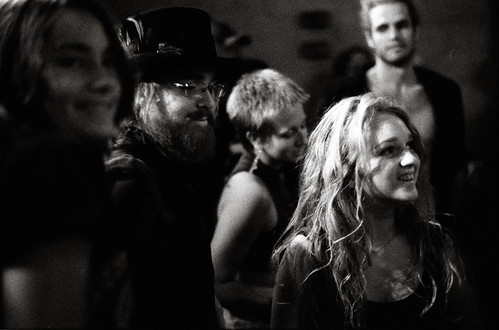
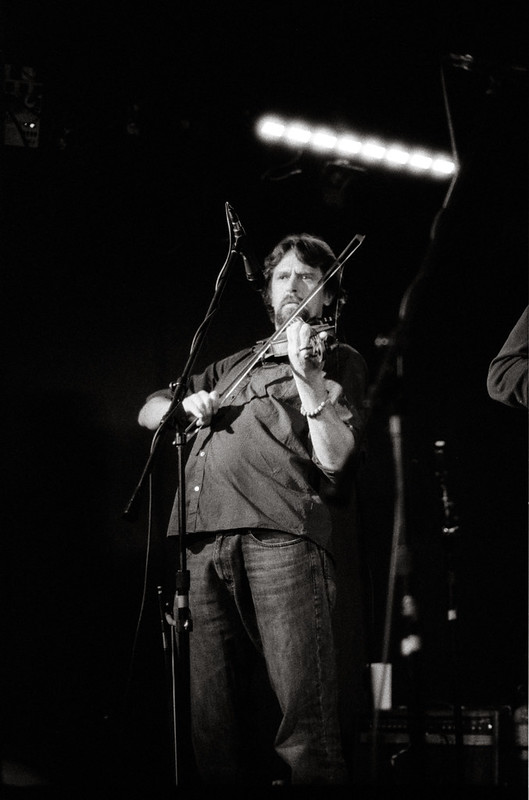
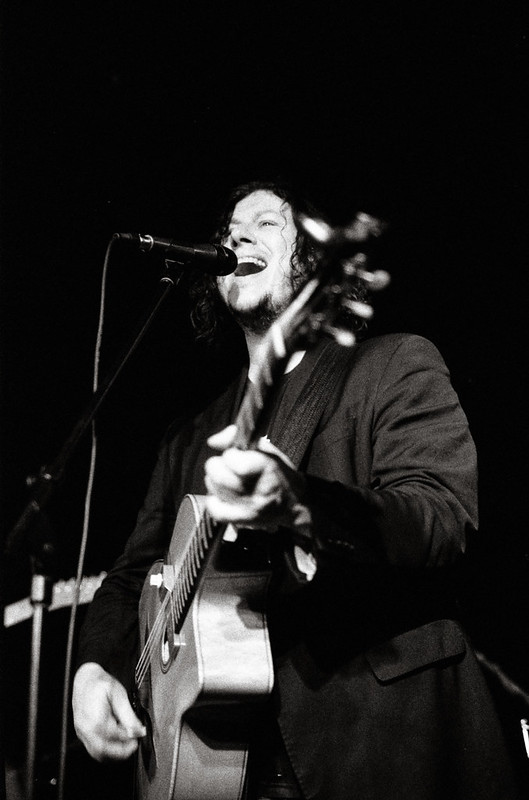
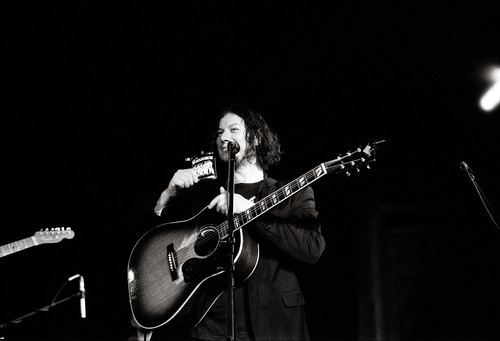
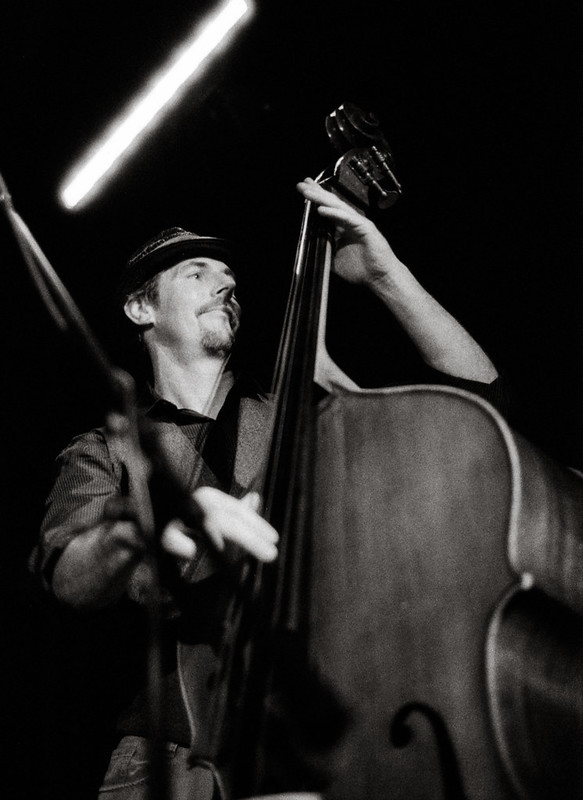
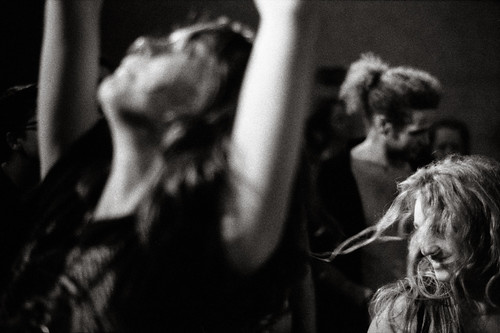
I am still enjoying shooting black and white film in my M4-2, however. Here are some shots from a recent concert of my friends the Plank Stompers and The Woodshedders. All were shot on Ilford Delta 3200 with the Leica M4-2 and Carl Zeiss C-Sonnar 50mm f1.5 lens.
 
 
Here's one that I especially like of the audience enjoying the sounds:
 
 
DMC-365.blogspot.com


Friday, April 11, 2014

Dreaming in Monochrom(e) - Mink's Miracle Medicine Show

My friends Rudy, Melissa, and Erik, former members of the band Acoustic Burgoo, came together to play a show under Melissa's new band name, Mink. The show was at Cristina's Cafe in Strasburg, Virginia.
 
(Click Here) to find Cristina's. If you're ever passing through Strasburg, stop in for a "Sexi Mexi Combo!"
 
I shot the show with my "Dreaming in Monochrom(e)" camera, the Leica M4-2, and my new favorite black and white film approach, using Ilford Delta 3200 exposed at iso 1600, and processed by The Darkroom.
(Click Here) to learn about The Darkroom, the best film processing service I've ever used.
 
Melissa Finishing Up the Set List, by Reed A. George
Leica M4-2, Ilford Delta 3200 Film
 
I shot with two lenses, the Zeiss C-Sonnar 50mm f1.5, which is a modern remake of the classic Sonnar design, with the latest materials, technologies, and optical coatings. The second lens was my Leica Summilux 35mm f1.4 version 3, from the 1970s.
 
Mink and Friends, by Reed A. George
Leica M4-2, Ilford Delta 3200 Film
 
This was a very laid back show, which is sometimes nice. I got to hang out with my friends, have some excellent Mexican food, and move around and shoot as much as I liked.
 
Erik Burnham, by Reed A. George
Leica M4-2, Ilford Delta 3200 Film
 
We saw various combinations of the three performers, and when not playing on stage, Erik stayed busy playing off-stage, dancing with our lovely waitress (whose name I didn't get, sorry!).
 
Dance, by Reed A. George
Leica M4-2, Ilford Delta 3200 Film
 
Rudy B. and Erik, by Reed A. George
Leica M4-2, Ilford Delta 3200 Film
 
Erik and Rudy are in another band, The Plank Stompers. You'll see images from my frequent attendance at their shows as well here at DMC-365.blogspot.com. The shot below is from behind them on stage. That's Britt in the audience (with the beard).
 
 
Mink and Friends, by Reed A. George
Leica M4-2, Ilford Delta 3200 Film

Here is a shot that took advantage of the stage lights to play with some internal reflections and unpredictable properties of optics. Chance rather than design, I like how it turned out.

Erik and Rudy, by Reed A. George
Leica M4-2, Ilford Delta 3200 Film
 
I think I have a style for many of my concert images now, at least the ones I want to shoot in monochrome.
 
I'm in the process of testing a new color film (CineStill), to see if it can be an equally satisfying solution for color. I shot two 36 exposure rolls of it last night at a house concert; we'll see how that turns out in a week or so.
 
DMC-365.blogspot.com
 

Friday, March 7, 2014

About to Try Ilford Delta 3200 For My Concert Photography

As you may know, I've been shooting some concerts with black and white film in my Leica M4-2 film camera, as part of a series I'm calling "Dreaming in Monochrom(e)." The idea is that I'm exploring using one of my Leicas in monochrome only, exploring how I'd really work with a digital Leica Monochrom if I had one.
 
Anyway, I've been shooting concerts with Kodak TMax 400 black and white film, pushed two stops to iso 1600.
River Whyless, by Reed A. George
Leica M4-2, 50mm Zeiss C-Sonnar f1.5 Lens
Kodak TMax 400 Film Pushed to iso 1600
 
While I'm really liking this new look to my concert photography, I'm finding the extreme contrast that I get by pushing 400 speed film two stops a little bit limiting. So, I've decided to try some Ilford Delta 3200 black and white film. My experience with Delta 3200 in the past was that the negatives can be a little thin; I've had better luck shooting it at iso 1600 than the labeled 3200. Apparently, the native iso is more like 1000, but it's got extremely wide exposure tolerance.
 
So, I think I'll shoot it at 1600 this time.
 
Here's an example concert shot on Delta 3200by Kontantinos Bezios:
 
Image Source: http://kbesios.com/blog/wp-content/uploads/2012/09/20120904-105104.jpg
 
Konstantinos shot this on a medium format Plaubel 67 camera. I think the gray tones are very nice, and I hope to get a similar effect in my Leica.
 
(Click Here) to visit Konstantino's blog and see more of his work.
 
My only question now is whether or not I need to inform The Darkroom (my favorite mail-in film developer) that I shot Delta 3200 at 1600 or not. I tend to think not, as I read a lot of posts about shooting it at 1600 and developing normally.
 
By the way, if you want truly excellent film developing, (Click Here) to visit thedarkroom.com.
 
With any luck, I'll have some interesting new concert photos to share in a week or so!
 
DMC-365.blogspot.com
 

Friday, January 24, 2014

My First Results of "Dreaming in Monochrom(e)" - War Memorials in the Rain

I've decided to try and emulate a Leica Monochrom in analog form, using my Leica M4-2 and TMax films.
 
(Click Here) to see what I am planning. I understand the differences and limitations in this comparison.
 
Here is my first installment of images for the project. I don't normally go in for photographing the monuments in DC, but on this particular morning, I thought being out in the driving rain and seeing the few visitors hearty enough to be out in it was worthwhile. It turned out to be a good set of conditions for photographing the Korean and Vietnam War memorials, and led me to think carefully about war.
 
One theme that kept coming up in my mind is the notion that "Freedom isn't free." I must admit that I don't fully understand that notion. It's like saying "Happiness doesn't make you happy" to me. Let me be crystal clear: I come from a family with significant veteran experience and respect that service very highly. On the other hand, I basically despise war and all that it entails. How's that for conflicted? Anyway, here are my impressions from that rainy morning walk amongst the names on the wall, and the terribly expressive faces on the statues of Korean War soldiers.
Vietnam Memorial
 
Korean War Memorial
 
All images were made with the Leica M4-2, 35mm Summicron f2 v.3, and TMax 400 film. Processed in typical excellent fashion by The Darkroom (thedarkroom.com).
 
DMC-365.blogspot.com
 

Sunday, January 19, 2014

Final Whole Lotta Leica Results From 2013 - December's Elmar 3.5cm f3.5 LTM

I have to admit that while the WLL series was a lot of fun in 2013, I kind of lost steam toward the end of the year. Maybe that's because I achieved what I'd hoped to with the series already, and in the last few months it was more a matter of completing a personal challenge I'd assigned myself, and finishing up the full year.
 
In December, I matched the tiny little (almost comically little) Elmar 3.5cm f3.5 LTM lens and LTM-M adapter with my Leica M9.
 
(Click Here) to see and read about the lens, manufactured in 1937.
 
I really only got out with it a little over one weekend in NYC. Here are some results, first from a very early morning walk to Grand Central Station. Keep in mind I was shooting with a maximum aperture of f3.5 in very low light, handheld.
 
Grand Central at the Holidays, by Reed A. George
Leica M9, Leica Elmar 3.5cm f3.5 LTM Lens
iso 800, f4, 1/15 sec.
 
Overnighting at Grand Central, by Reed A. George
Leica M9, Leica Elmar 3.5cm f3.5 LTM Lens
iso 800, f4, 1/15 sec.

 
Waiting on the First Morning Train, by Reed A. George
Leica M9, Leica Elmar 3.5cm f3.5 LTM Lens
iso 800, f4, 1/45 sec.

Zaro's Bakery, by Reed A. George
Leica M9, Leica Elmar 3.5cm f3.5 LTM Lens
iso 800, f4, 1/45 sec.

 
Preparing the Deliveries, by Reed A. George
Leica M9, Leica Elmar 3.5cm f3.5 LTM Lens
iso 800, f4, 1/45 sec.
Harlem Departures, by Reed A. George
Leica M9, Leica Elmar 3.5cm f3.5 LTM Lens
iso 800, f5.7, 1/25 sec.

 
Pershing Square at Daylight, by Reed A. George
Leica M9, Leica Elmar 3.5cm f3.5 LTM Lens
iso 800, f4, 1/25 sec.

 
135, by Reed A. George
Leica M9, Leica Elmar 3.5cm f3.5 LTM Lens
iso 800, f4, 1/25 sec.


The remaining images were made on our various escapades around the city.
 
'Tis the Season, by Reed A. George
Leica M9, Leica Elmar 3.5cm f3.5 LTM Lens
iso 640, f4, 1/500 sec.
Trying on Hats, by Reed A. George
Leica M9, Leica Elmar 3.5cm f3.5 LTM Lens
iso 400, f4, 1/90 sec.
Come Here Little Pigeon!, by Reed A. George
Leica M9, Leica Elmar 3.5cm f3.5 LTM Lens
iso 640, f4, 1/500 sec.
 
Elvis With His Backpack, by Reed A. George
Leica M9, Leica Elmar 3.5cm f3.5 LTM Lens
iso 640, f4.8, 1/350 sec.
Inside the NYC Public Library, by Reed A. George
Leica M9, Leica Elmar 3.5cm f3.5 LTM Lens
iso 640, f4.8, 1/30 sec.
And here's my favorite of this set:
 
The Reading Room, by Reed A. George
Leica M9, Leica Elmar 3.5cm f3.5 LTM Lens
iso 640, f4, 1/45 sec.
 
One of my observations about using this lens, and all of my Elmars, is that because the f-stop is adjusted by a tiny little tab at the front of the lens, and the f-stop numbers are printed very small there, and in this case are not even the modern standard f-stop numbers (e.g. no f5.6, you have to kind of guess between 4.5 and 6.3), I usually don't adjust my f-stop while shooting. For me, it means putting on my glasses, guessing where to set it, and that all takes too long. So, as you can see, I took a lot of images at f4. That's not really a problem, just an observation.
 
Another observation is that this lens is so small, it feels quite strange on an M style body. I would much prefer to use it on a little Barnack body, as was intended when it was designed.
 
I mentioned above that by this point in the year-long monthly WLL series, I had kind of already met my own goals with the project. What did I mean by that? Well, I'd drawn a few conclusions about using a wide range of "normal" focal length lenses, from a wide range of dates (1937-modern) on the M9 body:
 
  1. Each and every lens has a strength, somewhere.
  2. No lens has it all.
  3. I tend to use fast lenses on my M9, but need to keep in mind that some of the slower lenses, like this month's f3.5 Elmar, can make their own unique, nice images.
  4. Uncoated lenses can make very special images
  5. I have a subjective feeling that the older lenses are more pleasing to me when shooting film, and perhaps even more when shooting black and white film.
So, I didn't really end up with a list of favorites (though there were a few highlights), and I'm certainly not getting rid of any of the lenses I used in the WLL series this year. But, I am more likely to put an old Elmar on a matching Barnack body and shoot film with it than to pair it up with the digital M9.
 
In terms of highlights, the Zeiss Sonnar 50mm f1.5 definitely meets that definition. A modern lens with a classic Sonnar design, this fast lens is really amazing. Also, both of my 1970s era Summicrons (35mm and 50mm f2) did a wonderful job for me. The Canon 50mm f1.4 LTM lens is also a standout from the crowd.
 
I hope you've enjoyed seeing what each of these lovely lenses can do on the Leica M9. I had a blast exploring them.
 
DMC-365.blogspot.com


Thursday, January 16, 2014

SFTC Results - More From December's Nikon F2

I recently posted black and white results from the Nikon F2, a camera that really reminds me what I loved about camera equipment from the very start. Here are some color images (Kodak iso400 print film) from around my home here in Northern Virginia. The weather's been interesting lately, and I hope I captured some of the feel of it.
 
You may recognize this first composition, as I shot it in both color and black and white (see previous post). I strongly prefer the result in color, which surprises me a little.
 
 
Made with the Nikkor 135mm f3.5 pre-AI Lens (one of my favorites)
 
The next two were shot with the Nikkor 200mm f4 pre-AI lens:
 
 
The Old Mill
 
Now for a few shots from Manassas National Battlefield:


The next two are from a quick walk around our "nature walk," a small plot of wetland that one of the local developers set aside and built a boardwalk around:
 
And finally, two shots of my favorite human subject:


And so, this wraps up the results from the SFTC series from 2013. It's been a blast pulling out a different old film camera each month and spending enough time to evaluate its capabilities. I certainly reminded myself of a few old favorites and rediscovered one or two hidden gems that I just hadn't paid attention to lately. You'll be seeing more from some of these cameras in the future, and I have one or two more that didn't make it in the top twelve in 2013. So, stay tuned!
 
By the way, help keep this kind of photography possible - buy film! Support your local (or distant) processors who still provide their critical service!
 
DMC-365.blogspot.com