Showing posts with label portrait. Show all posts

Monday, February 8, 2016

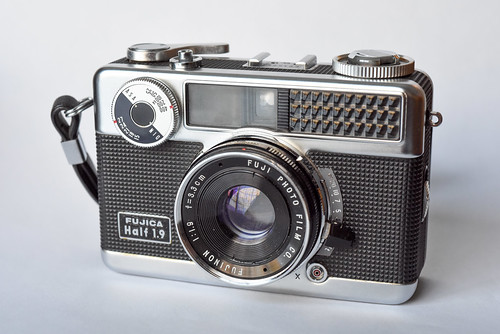
Someone I Met - and a New Camera. The Fujica Half 1.9 Half-Frame

I've been playing around with the 35mm half-frame format recently. (Click Here) and (Click Here) to see posts on my first half-frame camera, the Canon Demi EE17.
 
I recently bought a second half-frame camera, a Fujica Half 1.9. I picked it up on ebay for $22, including shipping, and it looks and works like new. It even came with the original soft leather case, strap and lens cap. Very cool.
 
Here's the important part - a picture I made with it on a recent trip down to Greenville, South Carolina. My friend, Craig, and I took a run over to Asheville, North Carolina for the day. We met this fine lady in an art studio there.
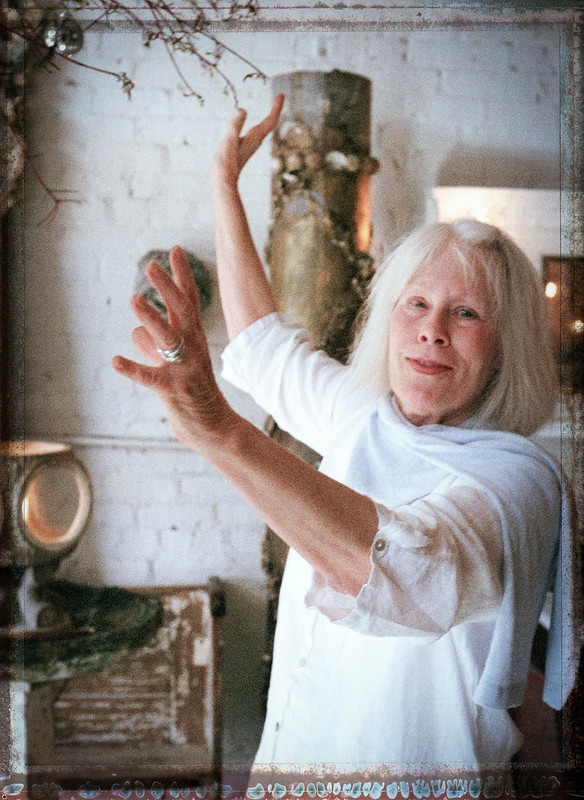
 
 
I scanned the film, then edited it in Analog Efex 2 (Nik Software/Google) and Lightroom. Analog Efex has a wealth of film and camera emulations, and frames.
 
DMC-365.blogspot.com


Thursday, December 24, 2015

Happy Holidays!

 
Happy Holidays! Hope everyone has a nice end of 2015 and wonderful 2016!
 
DMC-365.blogspot.com


Thursday, July 23, 2015

Pinhole Portraits by Stefan Killen

 
I love shooting pinhole images. I've shot a lot of scenery images, and even some people pictures with my pinhole cameras. But, I've never really tried any portraits.
 
(Click Here) to check out Stefan Killen's pinhole portraits. Inspiring.
 
DMC-365.blogspot.com
 

Friday, July 3, 2015

And Another From the Handley Library - Fujifilm GS645S

 
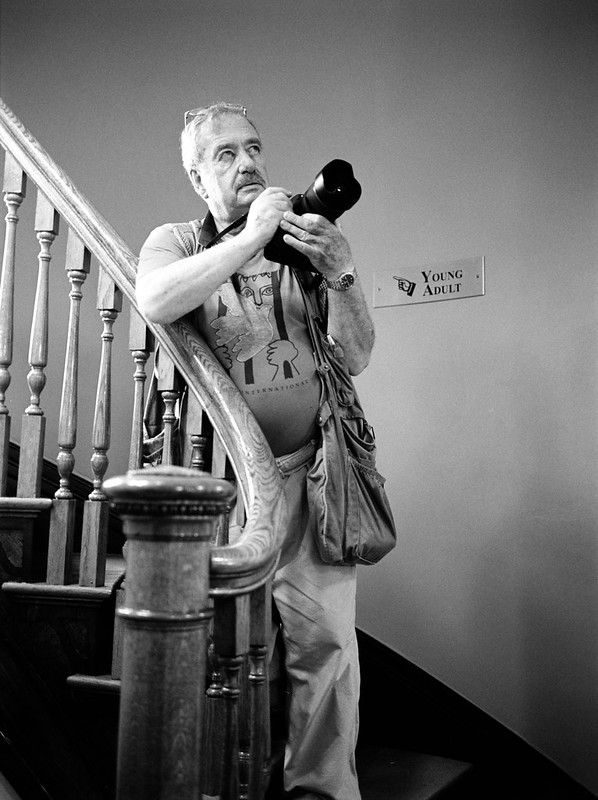
Young Adult, by Reed A. George
Fuji GS645S, Kodak TMax 400 Film
 
I absolutely love how this image turned out. The "Young Adult" sign on the back wall was a bonus; I didn't even notice it when I was shooting the image! Too funny.
 
DMC-36.blogspot.com
 

Saturday, June 27, 2015

Posing - Not So Easy for Me

I've been reading and working on posing techniques recently. It's not easy for me, but I do believe I'm learning some important tools.
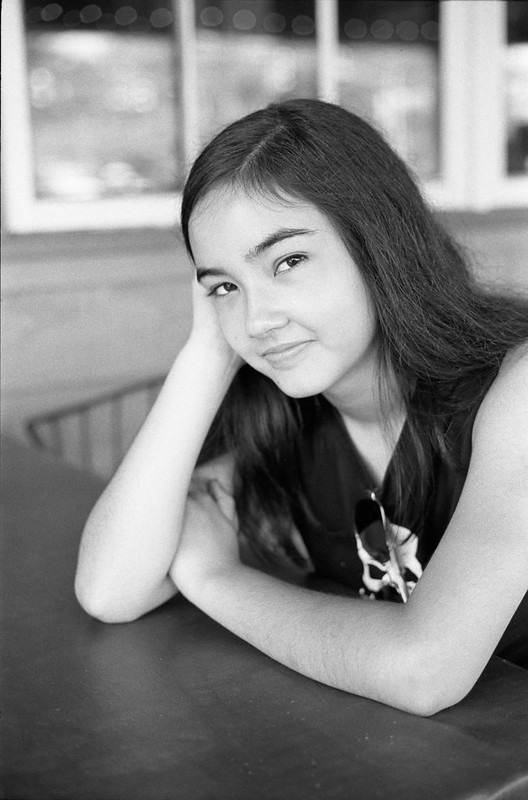
Christine, by Reed A. George
Leica M3, Summicron 50mm f2 v.2 Lens
 
Out of all of the things I've learned so far, getting the arms to be part of the composition, and not just in the way, is one of the most important.
 
I'm definitely continuing to learn, and with each image I make, I can find weaknesses, problems with the pose. In this one, I should have moved a little to the left, to make it where her eyes and face were as close to the camera as her shoulder. As it is, her shoulder draws too much attention.
 
By the way, if you're looking for a good book on the subject, check out Roberto Valenzuela's Picture Perfect Posing. I've included a link to it on Amazon below.
 
DMC-365.blogspot.com


Wednesday, June 24, 2015

A Rolleiflex Portrait - Now That's Nice Bokeh!

I really love my Rolleiflex 2.8F. I dreamed of owning this camera for a very long time. Through the generosity of my friend, Charlie, I was able to get it.
 
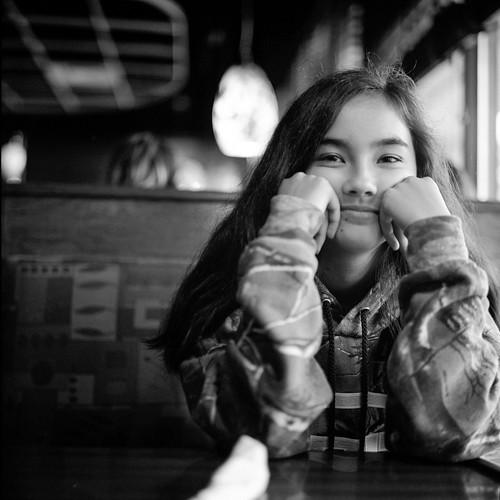
Lunchtime Portrait, by Reed A. George
Rolleiflex 2.8F Planar, Kodak TMax 400 Film, at f2.8
 
What an amazing camera this is. Oh, and if you don't know what "bokeh" is, it's the rendering of the out of focus portions of the image. I think the Rollei bokeh is the best.
 
DMC-365.blogspot.com
 

Monday, May 25, 2015

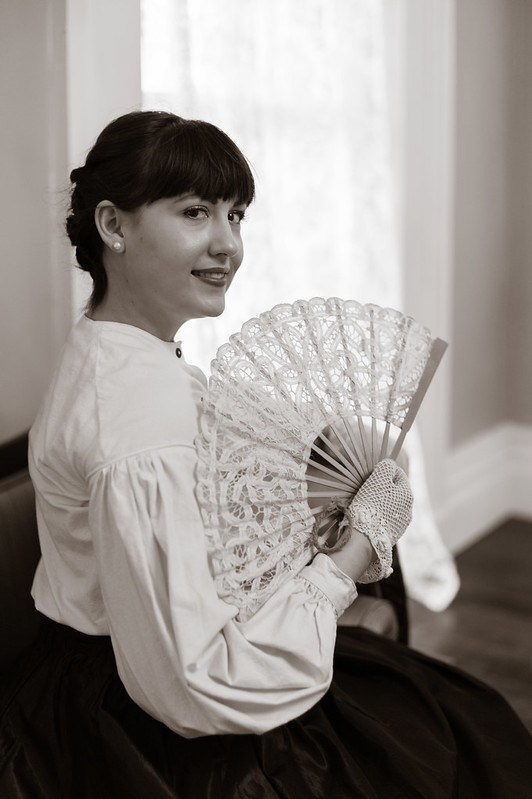
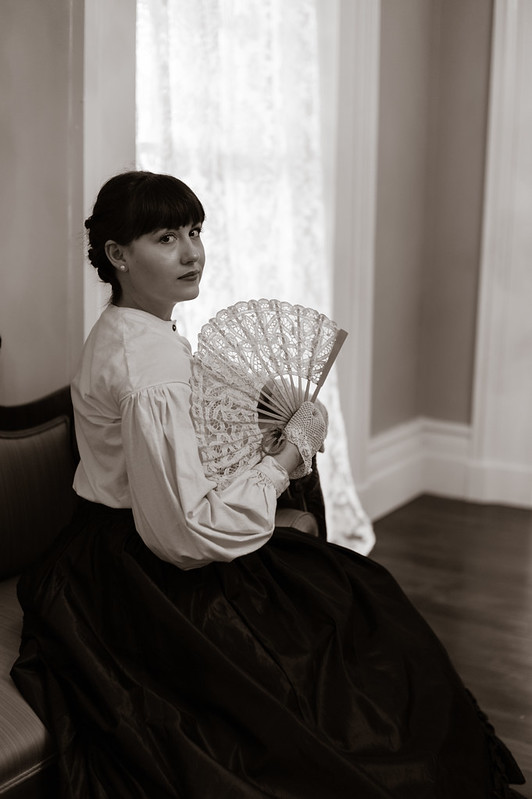
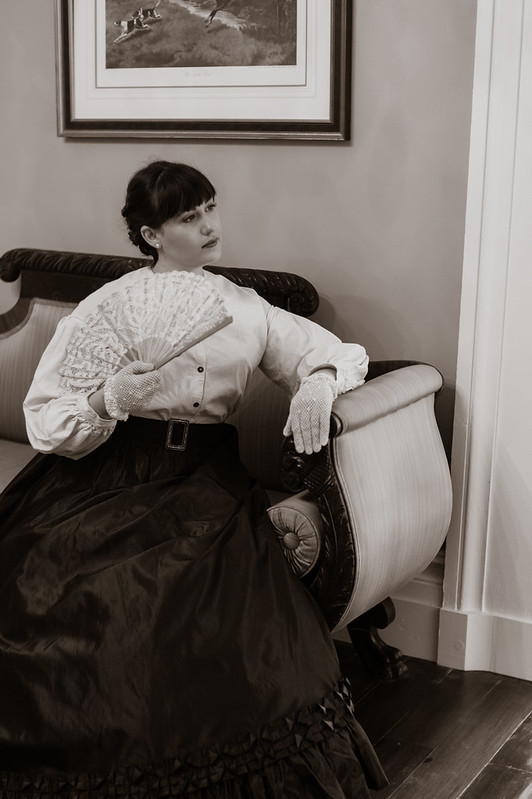
Belle of Belle Haven Plantation - Leica M9

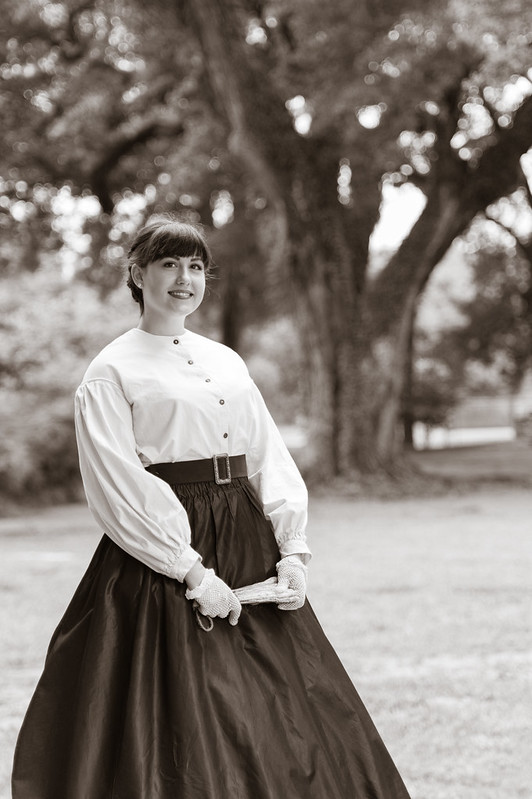
During the recent Spring Shoot meeting of the LHSA (International Leica Society), we visited Belle Haven Plantation.
 
I've posted some images of the live oak trees at the plantation. (Click Here) to see those.
 
For our visit, one of our members arranged to have Gail come out to the plantation and model for us in period dress. Here are the shots of Gail that I feel are worthy of sharing;
 
 
All were shot with my Leica M9 and 35mm f2 Summicron (v.3) lens.
 
(Click Here) to learn more about LHSA (International Leica Society).
 
DMC-365.blogspot.com

Wednesday, April 29, 2015

Another Birthday Portrait with the Mamiya Universal Press

A few days back, I posted an image I shot of my daughter on her birthday, taken with the Mamiya Universal Press (MUP) and Polaroid back, loaded with Fuji FP100C pack film. I also shared a scan of the color negative I recovered from that shot. (Click Here) to see that post.
 
Today, I'll share another shot from the same time and place, only this one was made on Kodak Portra 400 color negative film, using the MUP's 6x9 film back.
 
Birthday Portrait, by Reed A. George
Mamiya Universal Press Camera, 150mm f5.6 Lens
Kodak Portra 400 Color Negative Film
 
I just got the negatives back from The Darkroom (thedarkroom.com). I actually made a mistake with this roll of film, and exposed the Portra 400 at settings for Portra 160. No problem. The Darkroom pulled the processing by 1.5 stops, saving the pictures for me. I'm pleased with the result.
 
I really enjoy shooting the MUP. It's a very large, heavy beast, with matching impressive lenses. But, when you have the time to set it up and think about your shot, it's great fun to use. This is slow photography. I like it.
 
DMC-365.blogspot.com
 

Sunday, April 5, 2015

Lumix DMC-LX100 Portrait

I will be posting my single favorite shot from each day I'm in Japan. For my first day, here's a portrait of my daughter at lunch with me.
 
Christine, Jet-Lagged, by Reed A. George
Panasonic Lumix DMC-LX100, Zoom at 45mm Equivalent
iso 1600, f2.7, 1/640 sec.
 
I knowthat this image shows nothing of Japan; it could have been taken anywhere. I'll be sure to share some that say more about Japan in the coming days.
 
DMC-365.blogspot.com
 

Tuesday, March 24, 2015

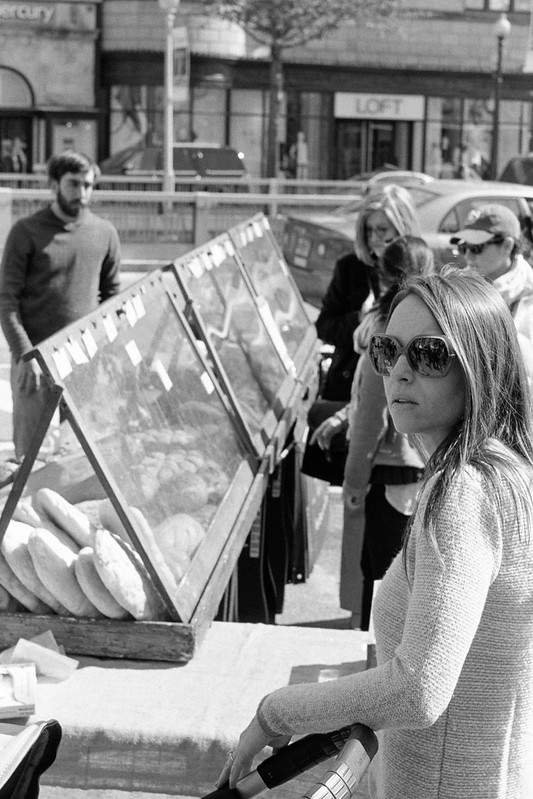
Rolleicord / Rolleikin (35mm in a Medium Format TLR) at the Farmer's Market in DC

I've been shooting twin lens reflex (TLR) cameras more and more lately. I've always loved TLRs, especially Rolleis. One of the things I love is the square (6x6) format that most of them are set up to use, on medium format 120 film. Today, I'll share something different - an older (1954-1957) Rolleicord V (cheaper version of the Rolleiflex), fitted with a Rolleikin attachment.
 
The Rolleikin, produced by Rollei as an add-on option, allows you to use 35mm film in a TLR. It shoots full-frame on the 35mm format, in portrait orientation. Since the Rolleicord has a 75mm lens (a Schneider Xenar in my case), shooting on 35mm film yields a medium telephoto result. The telephoto lens and portrait orientation make the Rolleicord/Rolleikin a lovely portrait camera.
 
(Click Here) to read more about my Rolleicord/Rolleikin.
 
(Click Here) to see some earlier shots I made with this camera.
 
Here are some shots I made at the farmer's market in DC with my Rolleicord/Rolleikin. All are shot on Ilford HP5+.
Farmer's Market, DC, by Reed A. George
Rolleicord V with Rolleikin Attachment
 
The Rolleikin is quite easy to use. The viewing lens on the Rolleicord, which is used for focusing, is not as bright as my Rolleiflexes, being f3.2 versus f2.8 on the 'flexes. In the bright sunlight of the market, that was not a problem at all.
 
I've also come to realize that I need to wear my reading glasses when focusing a TLR. That's kind of a pain. I understand that there are diopters that can be fitted to the Rollei finder, but have not located one for my camera yet.
 
It's fun to experiment with these lovely old cameras, and the Rolleikin is an interesting attachment that changes the character of the camera.
 
DMC-365.blogspot.com

Friday, October 24, 2014

Some Tips for Taking Great Images in the Studio

Danny Knicely, by Reed A. George
 
I've been doing some promo images for my musician friends lately. I'm thoroughly enjoying the process, and always looking for new tips. I thought that the studio lighting setup would be one of the challenges, and therefore looked up some common configurations before starting. After a couple of these sessions, I now feel pretty comfortable with the lights. Really, I think it's more important to get them set, stop fiddling with them, and develop trust and interaction with the person being photographed.
 
I recently read a post by Sarah Hipwell on the Digital Photography School website. It has several good tips for getting things to flow:
 
  • Music can help to calm down a tense atmosphere. I use this one every time when I'm shooting musicians. I have not tried bringing recorded music to the session, though. Since my subjects are musicians, and typically want to be photographed with their instruments anyway, I always ask them to play. I get a private concert, and they get to do what they love. Another added benefit is that it brings out the performer in the person; they're not used to being in a photo studio, but they are used to playing in front of people, and even in front of cameras.
  • A tip that Sarah shares is asking the subject to blink ten times. I like this idea very much, as it will give a better catchlight in the eyes if they're wet, and I bet it reduces blinking during exposures.
  • Ask them to wear neutral clothing. The pictures are about them, not their clothes.
  • Sarah mentions that most great images come at the end of a session. I've definitely found this to be true. I think it's when the pressure is off, and everyone is pretty sure you've got some good images, that both the photographer and subject relax. This relaxation shows in the pictures.
  • Get feedback during the session. This is a mixed bag, in my opinion. First, showing them tiny images on the camera LCD generally won't work. Connecting to a larger display requires some technical ability; if you have it, great. If not, don't fiddle with wires, cards, and gear while the studio clock is ticking.
  • Get them to talk. Yes! Except, as mentioned above, I generally get them to sing. This is easy with most musicians.
  • Work fast. Agreed. While I try to work fast, sometimes I rush myself too much, and don't go deep enough with the subject. In other cases, what should be a one hour session easily goes into the second hour, probably too long from the point of view of the person being photographed. So, for me, the challenge is to balance between rushing too much and taking too long.
  • Another practical tip - have them point their legs toward the main light source, and twist their upper body to face the camera.
(Click Here) to read Sarah's full piece on the Digital Photography School site.
 
 
It's harder than it looks, folks. In my opinion, getting the technical stuff out of the way so that you can focus on the person and interaction with them is key.
 
DMC-365.blogspot.com
 

Wednesday, September 24, 2014

Impromptu Portrait Session - an Add-On to my Magnum Workshop Experience

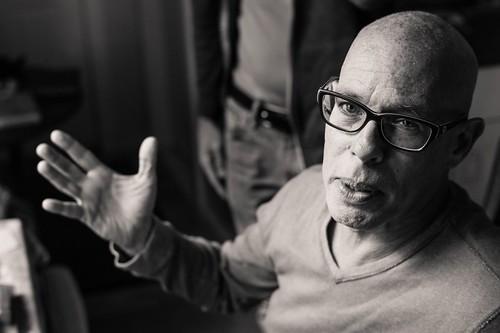
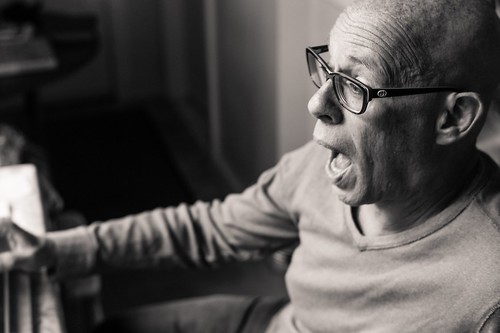
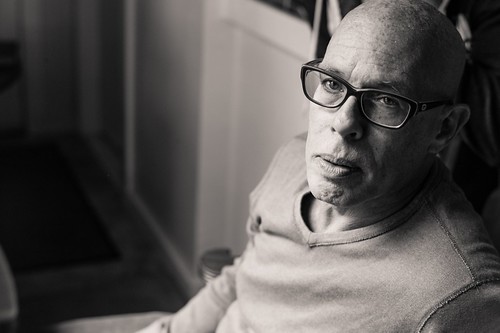
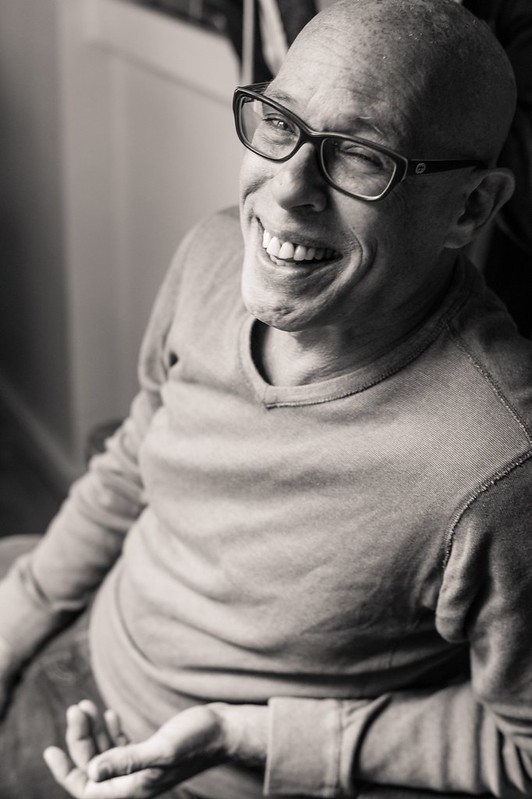
I had the good (great) fortune of meeting this gentleman at the very end of my Magnum workshop in Provincetown, Massachussetts. I met him by being open to opportunities, and by approaching him with an honest request to make a few images.
 
David is a figure of some prominence around here, and was planning to have a photographer visit him next week to shoot portraits for a magazine article. However, he gave me the opportunity to come into his writing studio and shoot a few of my own. Here are the best four shots I got from my ten minutes or so with him.
 
All of these were shot on my Leica M9 with 50mm f1.4 Summilux. I would have liked to use my 35mm lens, as the writing studio was quite cozy and I was challenged to get far enough away to make the picture I wanted. But, I only had the 50mm lens with me, and made the best of it.
 
One of the things I learned (re-learned?) in this workshop is the importance of being out there, being ready for opportunities to make images, and even creating opportunities when necessary. I worked for five days on a project, having a very difficult time getting to even the rather meager number of 5-8 images needed for our presentation to the workshop and to the public at the Fine Arts Work Center here in Provincetown. The experience of meeting David was exactly what I was looking for all week.
 
I ended up using only a single image of David in my presentation (not one of the images shown here), but feel that the experience of meeting him significantly added to my workshop experience.
 
DMC-365.blogspot.com
 

Saturday, September 20, 2014

More Street Portraits With the Mamiya Universal Press (MUP)

Yesterday I wrote about how using the MUP rarely goes unnoticed by the people I'm photographing. Here are a few more examples of street portraits, these all taken on a morning walk in Georgetown, Washington, DC.
 
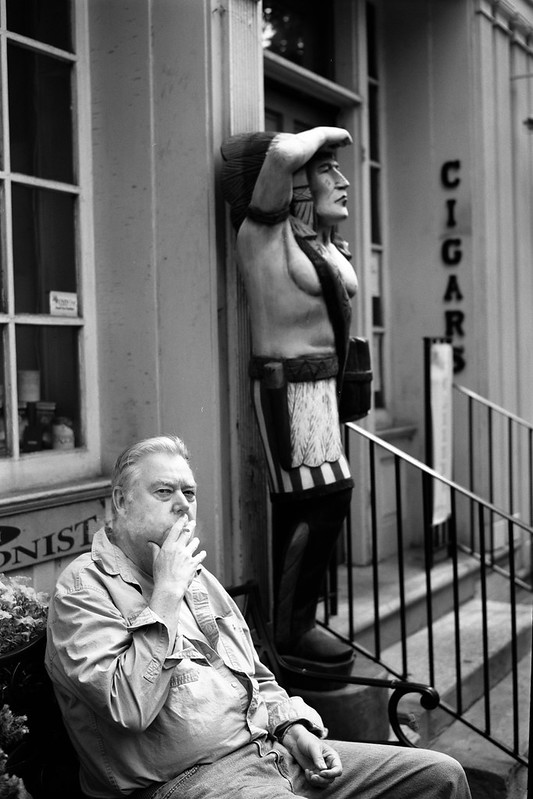
Morning Smoke, by Reed A. George
Mamiya Universal Press Camera, Mamiya Sekor 100mm f3.5 Lens
Kodak TMax 400 Film
 
This gentleman was enjoying a morning cigaretter, out in front of the tobacconist shop. I felt that the combination of elements - him smoking, the cigar store Indian, and the sign went together very well.
 
Waiter, by Reed A. George
Mamiya Universal Press Camera, Mamiya Sekor 100mm f3.5 Lens
Kodak TMax 400 Film
 
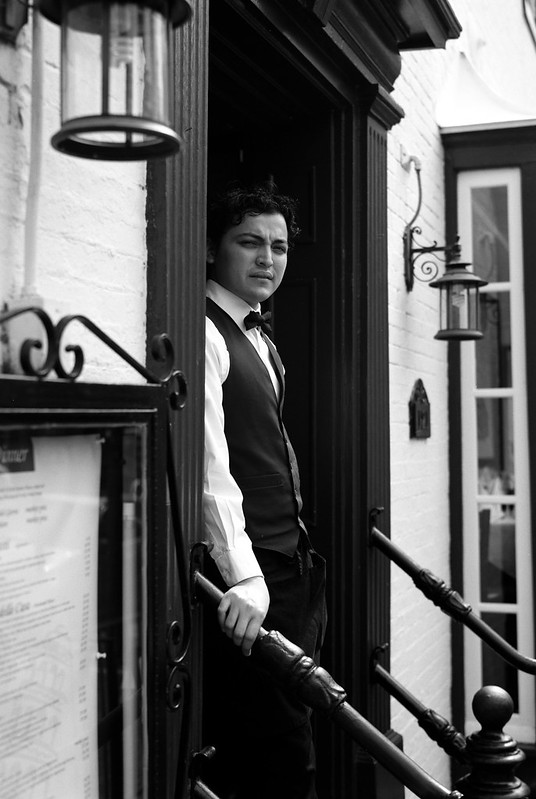
And this young waiter was more confused than concerned when I asked if I could shoot his picture. He didn't understand why I'd want to do that. It's tough to explain, I'll admit. I love the contrast in this image, and how the doorframe provides a nice dark background for his face.
 
Watering, by Reed A. George
Mamiya Universal Press Camera, Mamiya Sekor 100mm f3.5 Lens
Kodak TMax 400 Film
 
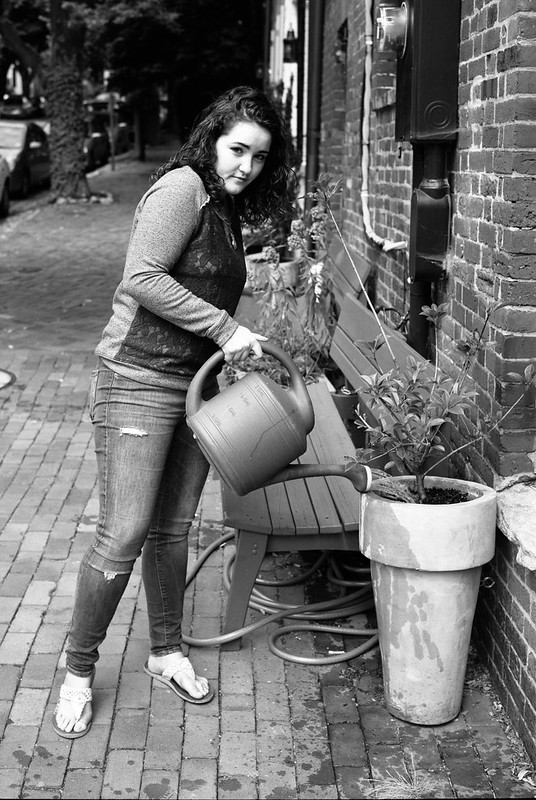
And this young lady was quite comfortable with me photographing her with probably the biggest camera she's ever seen. One thing I believe is that the MUP immediately identifies you as a camera enthusiast (who else would carry such gear around?). Because of that, and because you can't even try to hide it, people seem to worry less about you sneaking pictures of them for some other (nefarious) purpose.
 
A different style of street photography for sure, but I am enjoying exploring it.
 
DMC-365.blogspot.com


Friday, August 22, 2014

Mamiya Press Universal and Fuji FP3000B

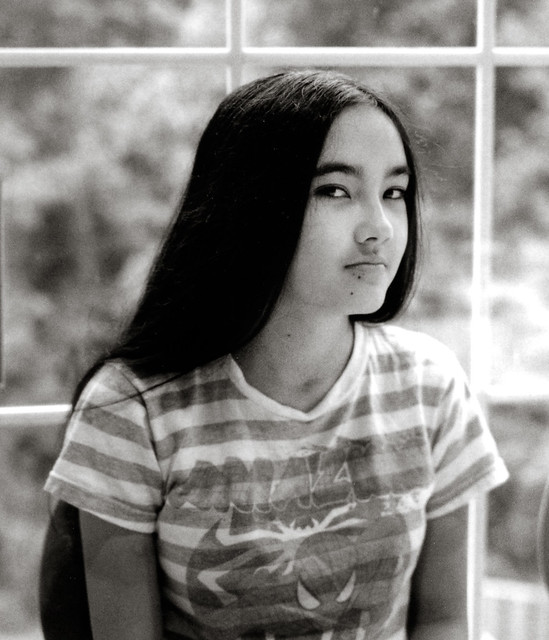
I'm continuing to enjoy shooting instant pictures with my new Mamiya Universal. Here's a shot I made with Fuji's black and white iso 3000 pack film. I used the standard 100mm f3.5 Mamiya Sekor lens for this one.
 
Cropped, From Scanned Print
 
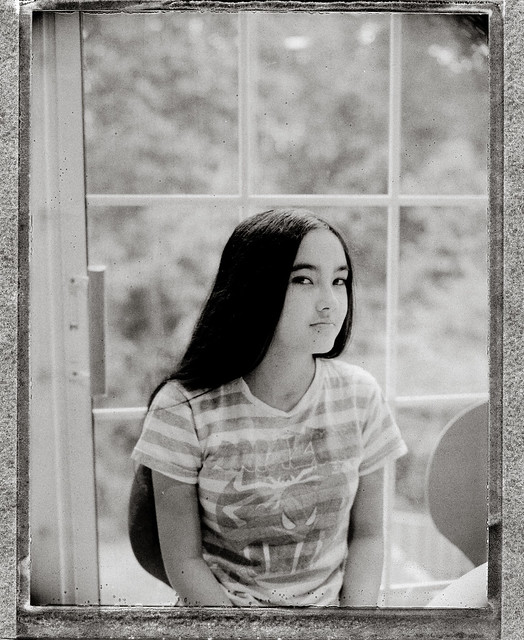
And, for reference, here's what the whole image looks like, scanned from the paper negative:
 
From the Paper Negative
 
I really need to photograph the Universal camera so that I can share all the details of what's included. It's a big heavy beast, but has a lot of interesting features.
 
I've received my first online scans from film I shot in the Universal, and am really impressed with the image quality. As soon as my film returns home from The Darkroom (thedarkroom.com), I'll make high resolution scans of a few images and share them as well.
 
DMC-365.blogspot.com
 

Sunday, August 17, 2014

A Little Inspiration a la Richard Avedon

I absolutely love shooting film, especially black and white. I also love medium and large format, including the Rolleiflex, chosen instrument of my friends Charlie Arnhold and Alain Durand.
 
Richard Avedon is one of the most famous portrait photographers of any time. Avedon used a Rolleiflex f2.8 twin lens reflex (TLR) camera for many of his portraits.
Ingrid Bergman, by Avedon
Image Source: http://classiq.me/portraits-by-richard-avedon/ingrid-bergman-by-richard-avedon-new-york-1961
 
Always using plain backgrounds, Avedon's portraits seem to show a very direct connection between model and photographer. I love that about his work.
 
For more Avedon inspiration, check out this post on the blog Classiq.me.
 
Still plenty to learn!
 
DMC-365.blogspot.com


Tuesday, August 12, 2014

The Leica Thambar - Exclusive, Unique, Beautiful Imperfection

I've heard of the Leica Thambar lens before. That's about all I could say about it before taking a little interest in it this morning.
 
Here's what sparked my interest - a post by awslee on Rangefinder Forum.
 
Image Source: http://www.rangefinderforum.com/forums/showthread.php?t=143874

(Click Here) to see the post and more images.
 
The Thambar is a screw mount (LTM), 90mm f2.2 lens. Made in the 1930s to respond to the need for a portrait lens that wasn't too sharp, the Thambar certainly delivered. The lens relies on uncorrected optics to render interesting, soft backgrounds. It also uses a reflective spot filter to change the effect near the center of the image.
 
(Click Here) to read the best description I've found of the Thambar, on the Leica Barnack Berek blog.
 
The Thambar is one of those very special lenses, one that you probably wouldn't put in your bag very often. Couple that with the scarcity (only a few thousand were made, and now about 80 years ago), and the likelihood of my ever owning a Thambar is reduced to near zero. But boy, would it be fun to try one out.
 
Hmm. I bet someone in the LHSA (International Leica Society) has one. Any of my friends there want to lend me their Thambar for a few hours?
 
DMC-365.blogspot.com
 

Sunday, August 10, 2014

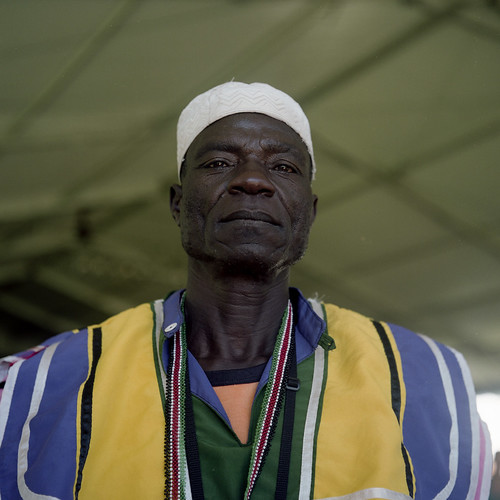
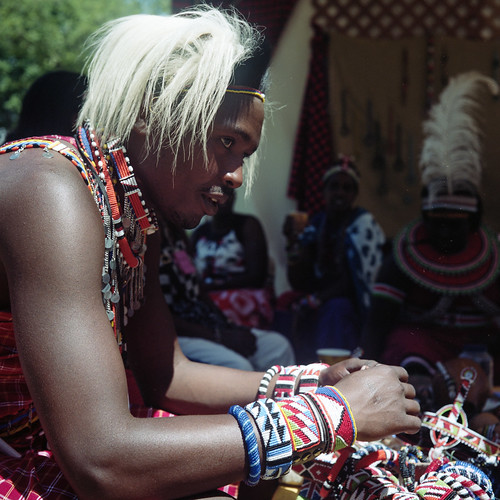
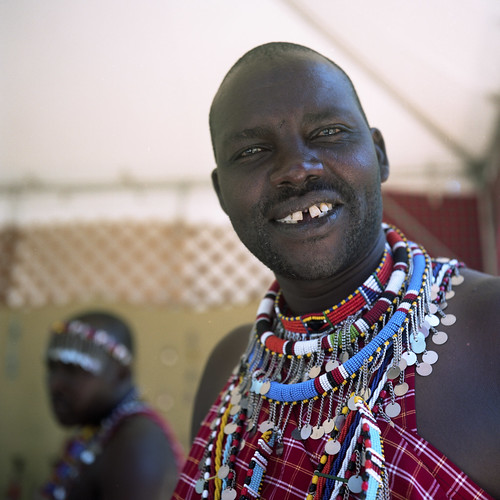
More Rolleiflex Images from the Smithsonian Folklife Festival - Celebrating Kenya

Yesterday, I shared a couple of images from the China side of this year's Smithsonian Folklife Festival. Today, Kenya.
 
All of these were shot with my Rolleiflex T twin lens reflex (TLR) camera and Kodak Portra 160 film.
Smithsonian Folklife Festival 2014 - Kenya
 
It was a very bright, contrasty sunny day, as you can see in the second image. So, getting under the tent coverings helped to diffuse the light quite a bit, leading to better overall images. That said, it made getting a natural looking background more challenging.
 
In any case, people did seem to like being photographed with an old TLR camera. I've had this camera for several years. I used it quite a lot when I first bought it, less so recently. I've still got it in my bag, and plan to shoot more with it in the near future.
 
DMC-365.blogspot.com
 

Saturday, August 9, 2014

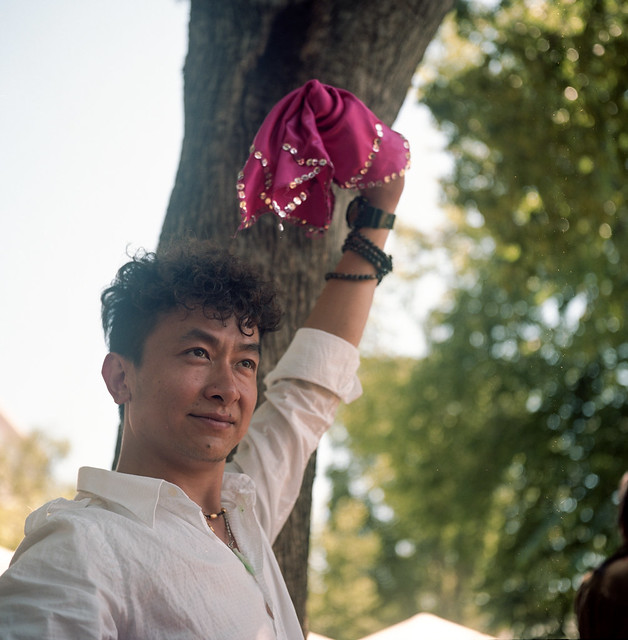
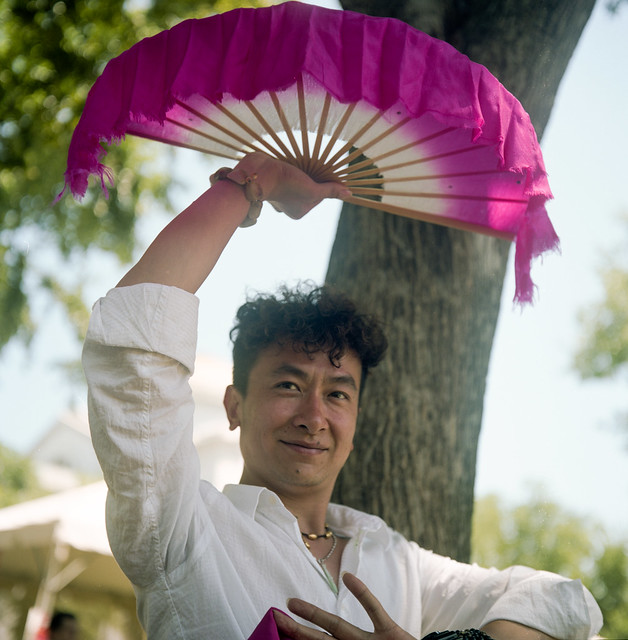
Smithsonian Folklife Festival 2014 - With Rolleiflex T

Two of my photography buddies have taken a (re)new(ed) interest in shooting Rolleiflexes. Both of them now sport Rolleiflex f2.8 cameras, while I shoot a Rolleiflex T f3.5 model.
 
Together, we all went to check out the Smithsonian Folklife Festival, whose focus in 2014 was on the countries of Kenya and China.
 
(Click Here) to read about the festival.
 
One of the events in the China program was flower, drum, lantern dancing. I captured these images of one of the group's leaders, who I believe is named Yue Ying (I can't seem to confirm that).
 
 
Flower Drum Lantern Dancer, by Reed A. George
Rolleiflex T f3.5 Twin Lens Reflex (TLR) Camera, Kodak Portra 160 Color Print Film
 
I used my Rolleinar 1 closeup lenses on the T for these shots. Actually, I could have done them without the need for the Rolleinar, as I was at the long limit of focus with them installed. That said, I like how they reduce the depth of field for portraits like this. So, no harm done.
 
It was fun getting the old TLR out again. You'll be seeing more TLR images in the near future, including some from the Kenya portion of the festival.
 
DMC-365.blogspot.com


Tuesday, June 17, 2014

Huey Copter Pilot Portrait - Agfa Record III Medium Format Folder, FPP Walking Workshop


Mr. Don Nelson, by Reed A. George
Agfa Record III, Kodak Tri-X Film


This is Don Nelson, who flew this exact Huey copter in Vietnam in 1968, including having to put it down in a rice paddy in an emergency. Mr. Nelson was part of the military event going on in Findlay on the day of the Film Photography Project (FPP) Walking Workshop, and had just that day given his 40-something daughter her first ride in the copter. I shot this with my Agfa Record III medium format (6x9 on 120 film) folding camera, on the Tri-X that came in my FPP goodie bag for the event!

Great memories all the way around! Thanks FPP, for a great event!
 
DMC-365.blogspot.com
 

Monday, June 9, 2014

More New Orleans Street Art

I have a thing for artists who make their living sharing creativity on the street. This gentleman was most gracious when I asked if I could take his picture at Jackson Square in New Orleans.
 
Street Artist, New Orleans, by Reed A. George
Leica M6 Titanium, Kodak 400 Color Print Film
 
I honestly can't remember if I was using my 35mm f2 Summicron or 50mm f1.4 Summilux for this shot. I must learn to record my film shooting parameters better.
 
What attracted me to this man as a subject was the combination of beautiful morning light bouncing from his sketch pad and lighting his face, and his intense concentration on his subject. In composing the shot, I got down low, hoping to use the line of the fence to align somewhat with his line of sight. I think I achieved that reasonably well. I was able to get in and out of their way very quickly, and captured exactly what I wanted with the M6.
 
Nope, I'm not ready to give up film yet.
 
DMC-365.blogspot.com